
HONGKANG COIL PROCESSING ENGINEERING
Heavy Gauge Steel Coil Processing Lines
Hongkang designs heavy-gauge cut-to-length, slitting and integrated coil-processing lines around the buyer’s material matrix rather than a catalogue maximum. The site is organized so an engineer can move from process choice to evidence, project planning and a complete RFQ without crossing unrelated machinery pages.
Send Coil SpecificationsDECISION FRAME
What this page is designed to resolve
This page supports Supplier qualification and equipment purchase. It translates a broad equipment term into the inputs, limits and evidence that an engineering and purchasing team can compare. The primary evidence expected for this topic is relevant Hongkang equipment media, the stated operating matrix and measurable acceptance records.
In international specifications, related search and purchasing language includes heavy gauge CTL, slitting line manufacturer, coil processing equipment. These labels can overlap, so Hongkang confirms the material duty, process route and acceptance boundary behind the name.
Information architecture
- A manufacturer for demanding coil duties
- Choose the correct process before choosing equipment
- Evidence follows the engineering claim
- Built for international project execution
- A practical path from enquiry to acceptance
- Why Hongkang competes on more than price
ENGINEERING DETAIL
Heavy Gauge Steel Coil Processing Lines: decisions that change performance
The following sections focus on the mechanisms, interfaces and acceptance evidence that distinguish a project-ready specification from a catalogue description.
A manufacturer for demanding coil duties
The central capability is the engineering and manufacture of equipment that decoils, levels, measures, cuts, slits, handles and packs steel. Supplied company records describe Hongkang work on wide and thick plate lines including historical 25.4 x 2200 mm, 20 x 2200 mm and 30 mm-class projects. Every new duty still requires confirmation against grade, yield strength, width and production mix.
Choose the correct process before choosing equipment
A cut-to-length line produces flat sheets or plates; a slitting line produces narrow recoiled strips; a combined line can support both routes when product mix justifies the additional changeover and control complexity. The product map below separates these intentions so buyers can compare the right architecture.
Evidence follows the engineering claim
Maximum thickness alone is not treated as proof. Relevant evidence includes the steel grade, width at the heavy point, incoming coil condition, roll geometry, shear type, finished tolerance, sample flatness and the material used for FAT. Photographs on this website come from the supplied Hongkang manufacturing and project library, not from stock-photo services.
Built for international project execution
Target projects include Southeast Asia, the Middle East, Mexico, South America and Eastern Europe. Project planning can cover metric specifications, local voltage and frequency, plant interfaces, packing, shipping, installation guidance, training and lifecycle spares. Customer identity is withheld unless publication permission exists.
A practical path from enquiry to acceptance
The process begins with coil and finished-product data, continues through the technical agreement and layout, and then moves into manufacturing, FAT, shipment, commissioning and SAT. Commercial price is meaningful only after the operating envelope and delivery boundary are understood.
Why Hongkang competes on more than price
In-house fabrication, machining, assembly and coil-processing experience allow mechanical structure, roll systems, hydraulics, controls and handling to be reviewed as one line. Buyers can examine factory capability, FAT method, project references, installation scope and spare-parts planning before placing an order.
ENGINEERING INPUTS
Data required for a defensible cut to length line manufacturer
Use this checklist to keep technical offers comparable. Each item should be linked to a normal production condition, a maximum-duty condition or an explicit acceptance test.
| Input | Why it changes the design | How to document it |
|---|---|---|
| Material grade and minimum yield strength | It defines the force, torque, geometry or handling boundary used to size the equipment. | Provide a material certificate, product matrix or marked drawing. |
| Thickness-by-width operating matrix | It separates the normal production range from an occasional maximum-duty point. | List representative products and annual or shift volume. |
| Coil weight, ID, OD and incoming condition | It turns a general quality statement into a repeatable factory and site test. | State the sample, instrument, support condition and permissible result. |
| Finished sheet or strip plan and measurable tolerances | It affects interfaces, changeover, operator workload and safe access. | Add it to the layout, responsibility matrix or FAT protocol. |
| Required output, automation and changeover policy | It defines the force, torque, geometry or handling boundary used to size the equipment. | Provide a material certificate, product matrix or marked drawing. |
| Destination voltage, floor space, crane and foundation constraints | It separates the normal production range from an occasional maximum-duty point. | List representative products and annual or shift volume. |
FROM OFFER TO ACCEPTANCE
How Hongkang converts the requirement into accountable scope
Confirm the duty matrix
Engineering checks the normal and limiting combinations of material, size, coil condition and finished product. Conflicts are clarified before capacity is promised.
Freeze process and interfaces
The technical agreement names equipment boundaries, utilities, controls, plant responsibilities, applicable standards and documentation.
Manufacture with records
Relevant material, fabrication, machining, assembly and purchased-component records follow the project inspection plan.
Test representative performance
FAT uses agreed material and measurements. Open items are recorded, corrected and verified before shipment release.
Install and transfer knowledge
Site alignment, utilities, safety functions, material trials, operator training and spare-parts handover support the path to production.
PROJECT-SOURCED VISUAL EVIDENCE
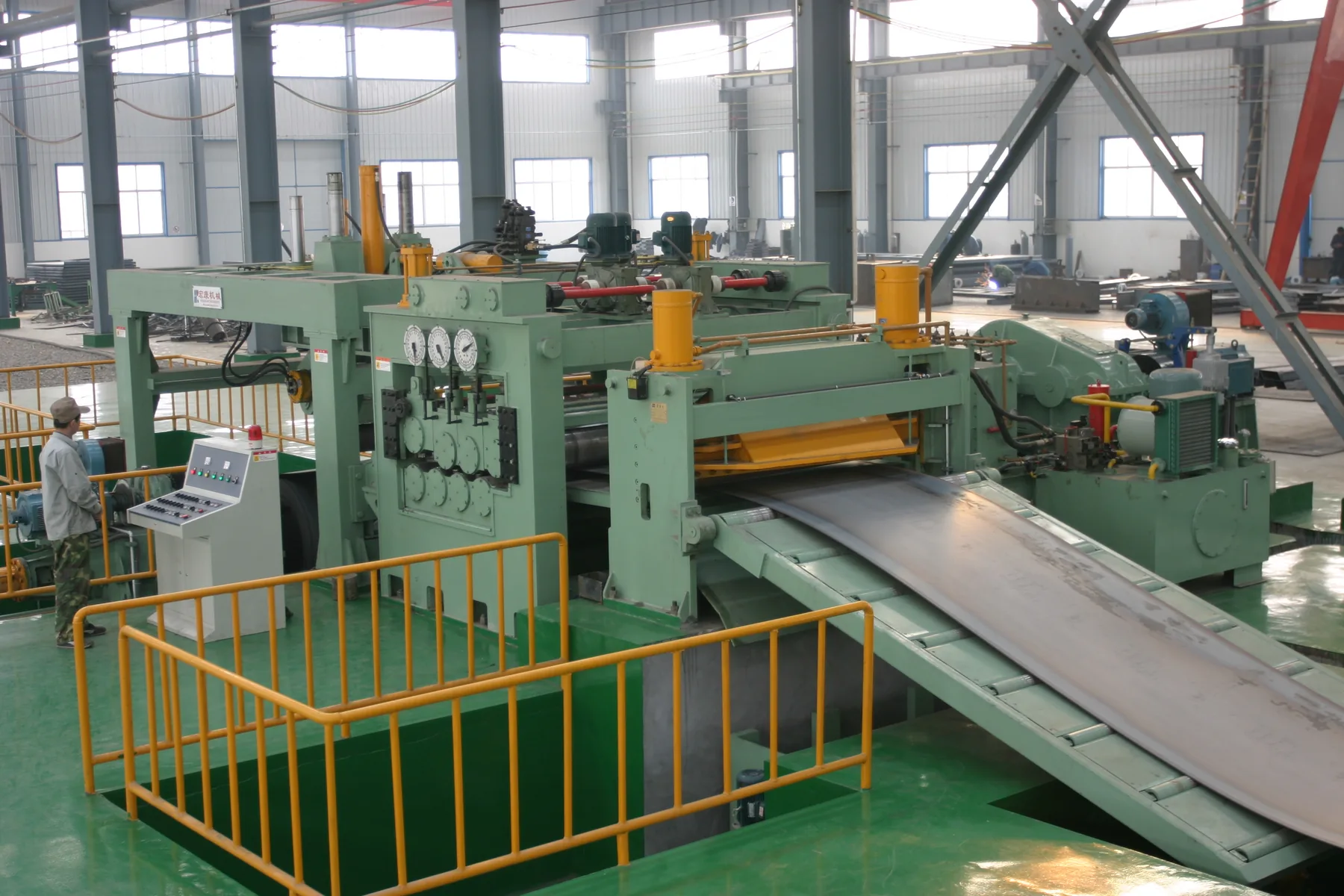
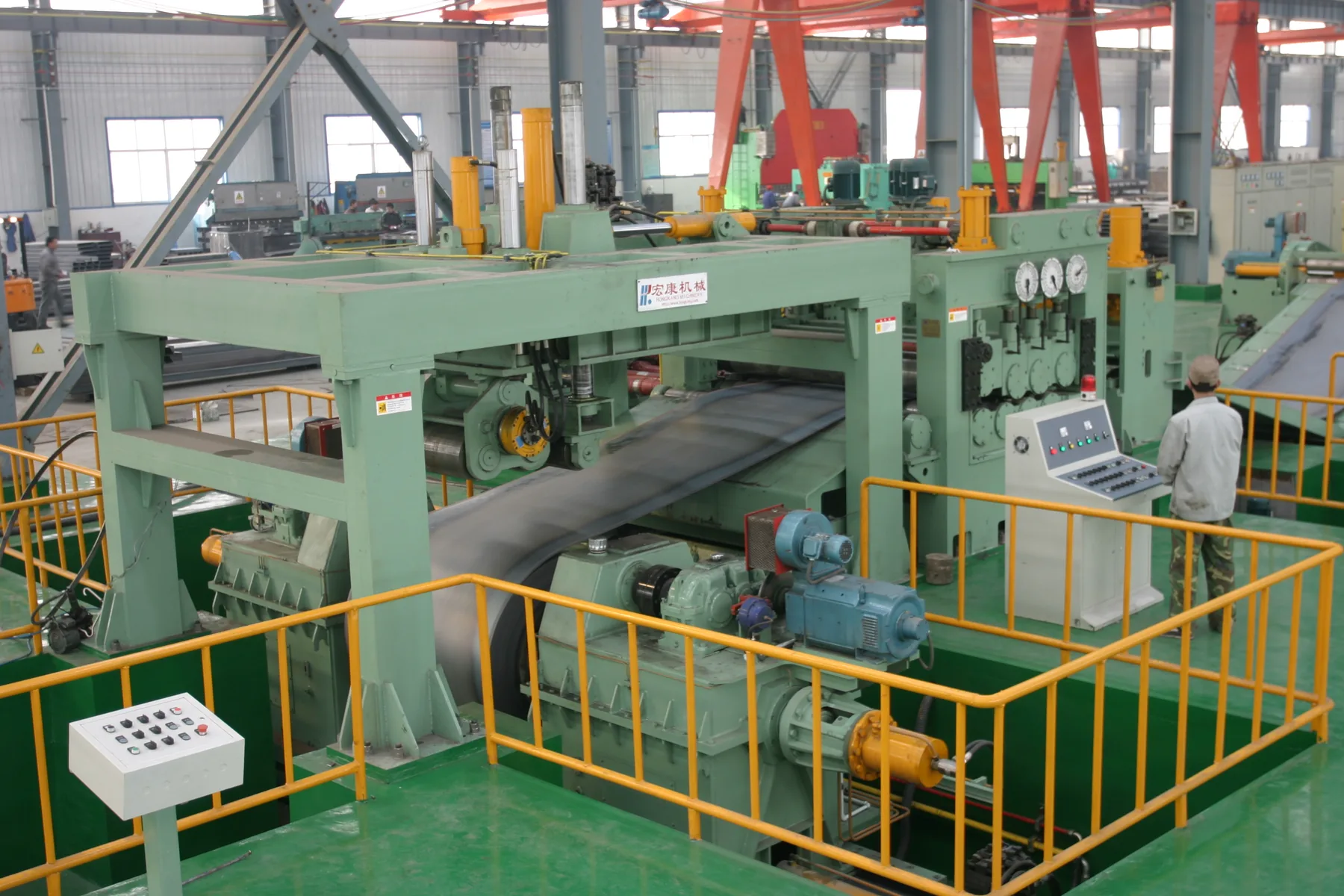
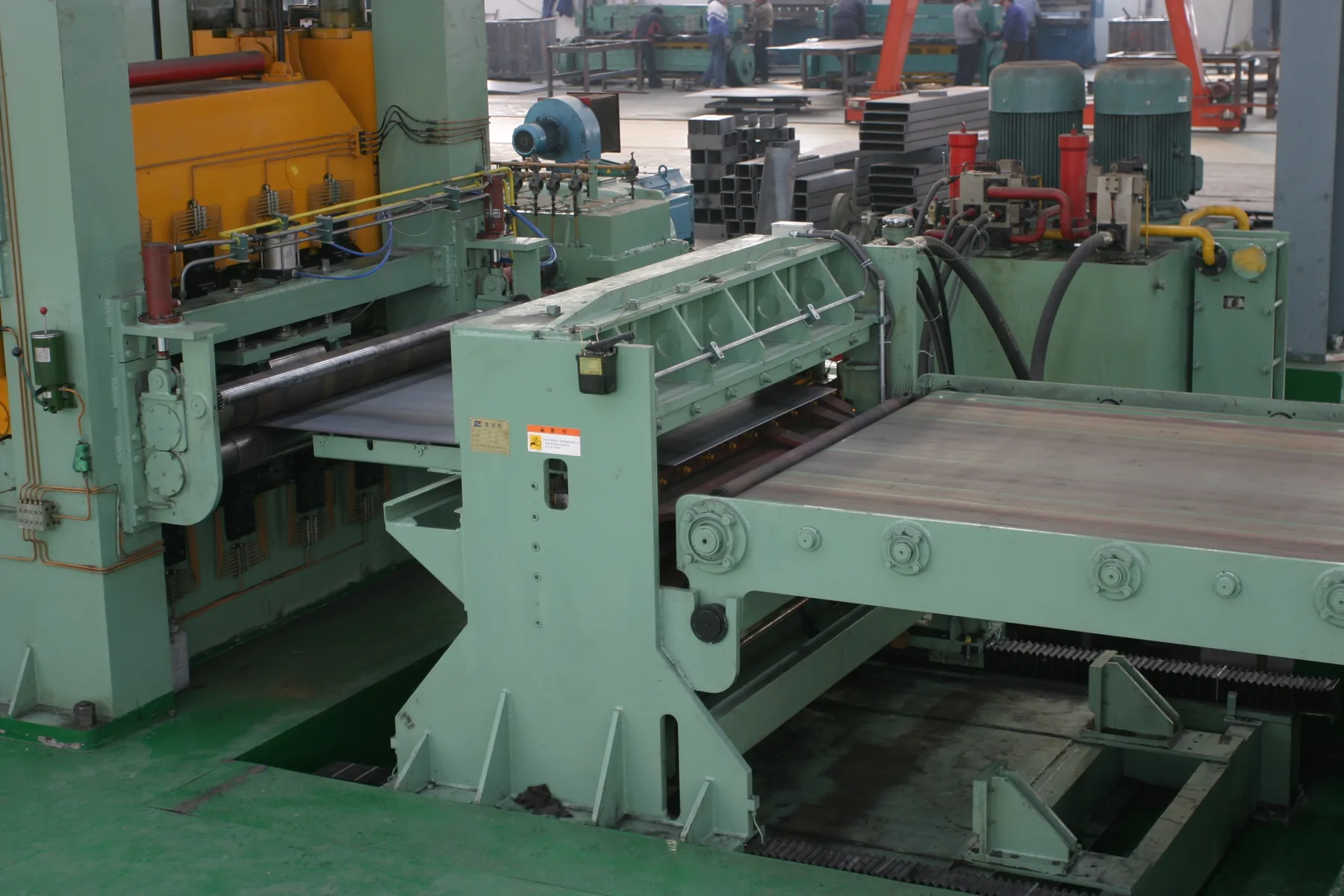
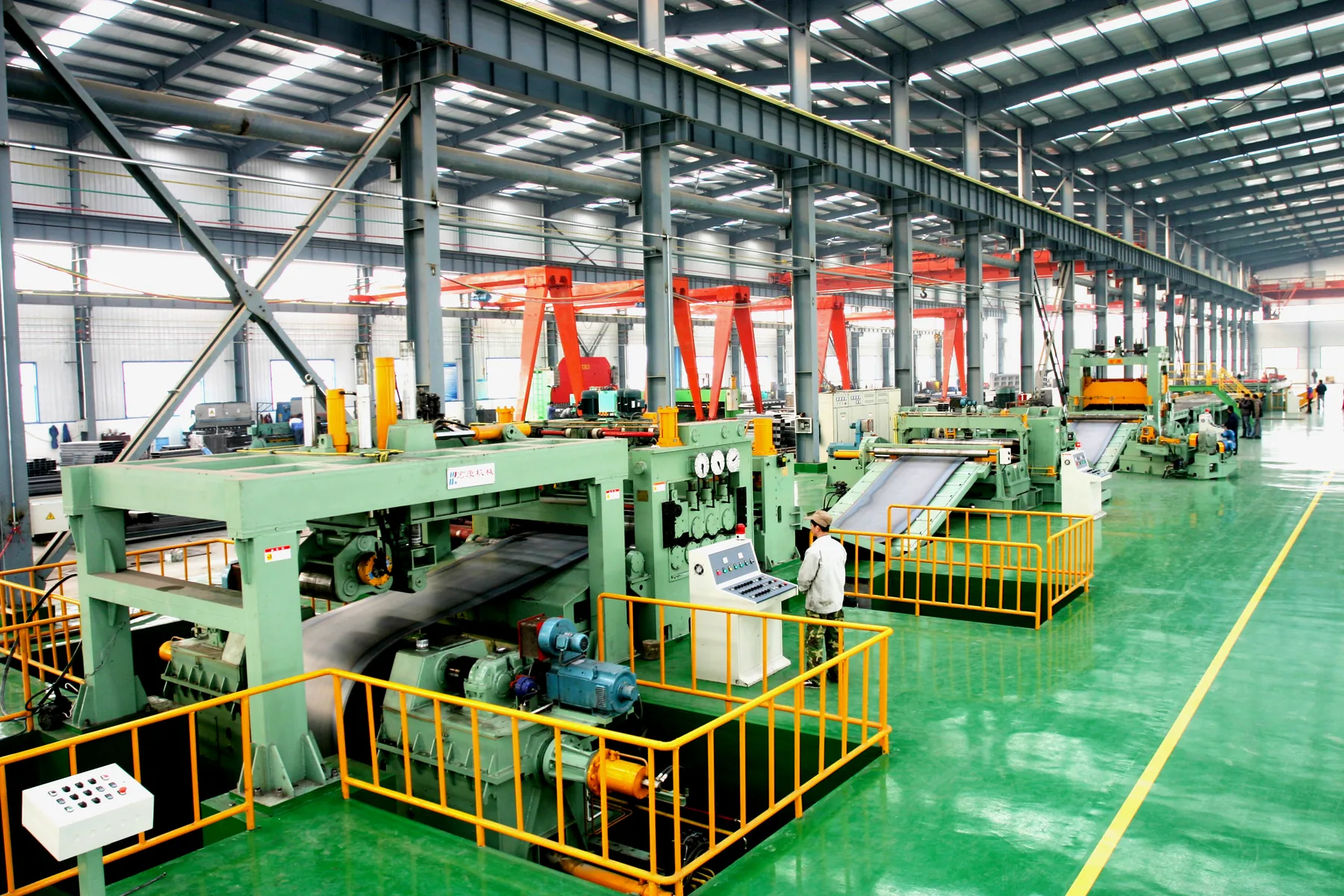
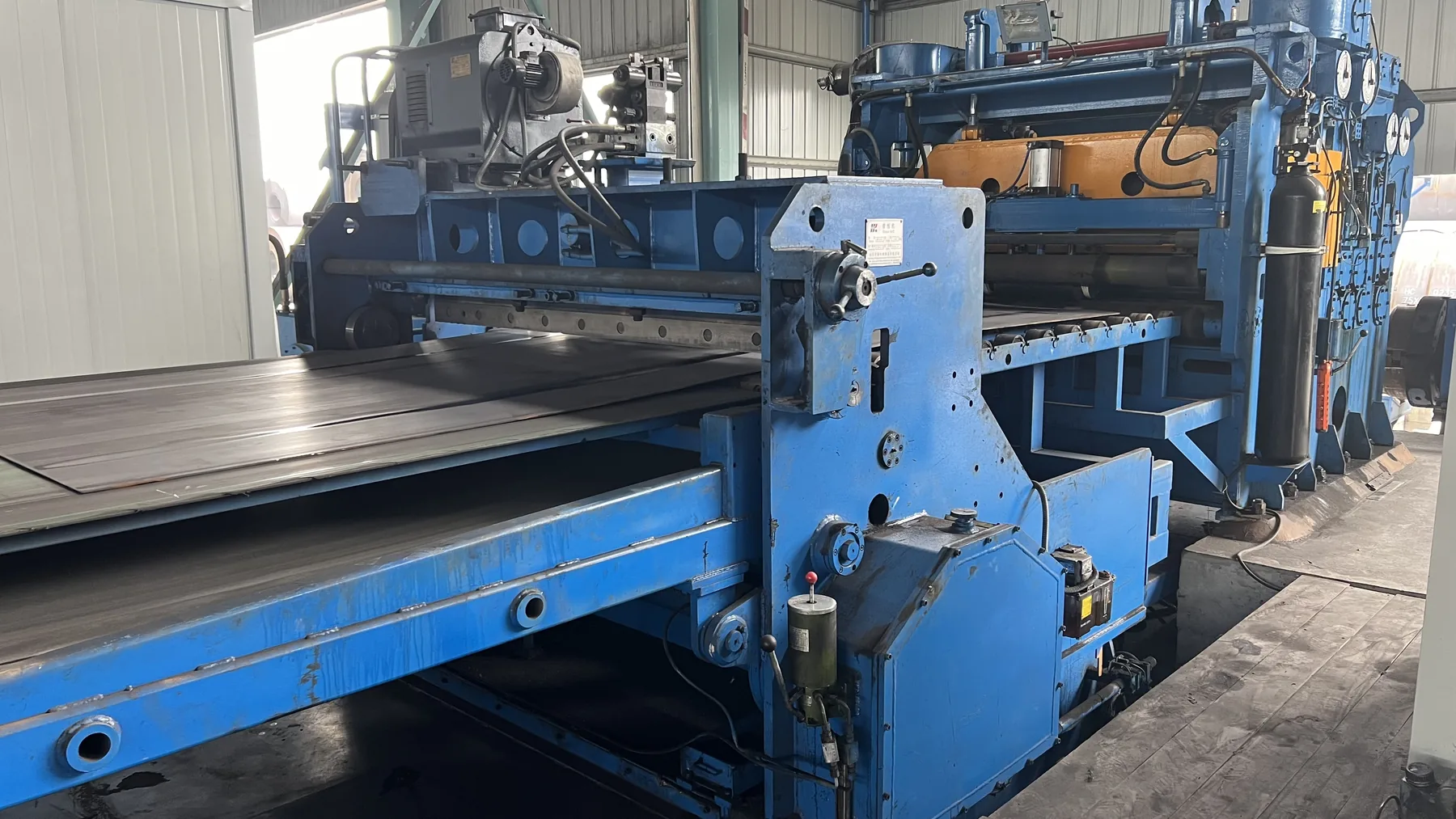
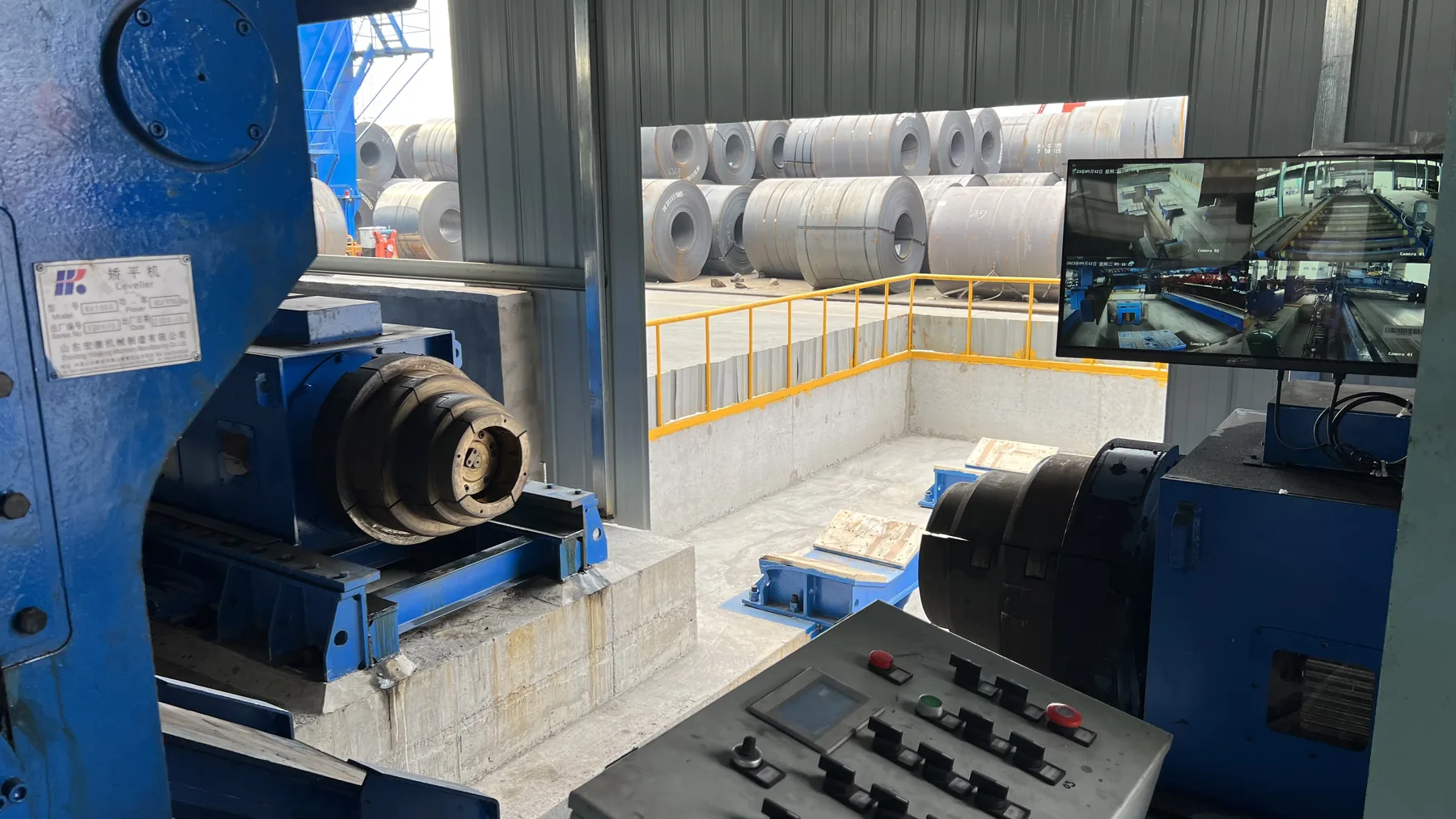
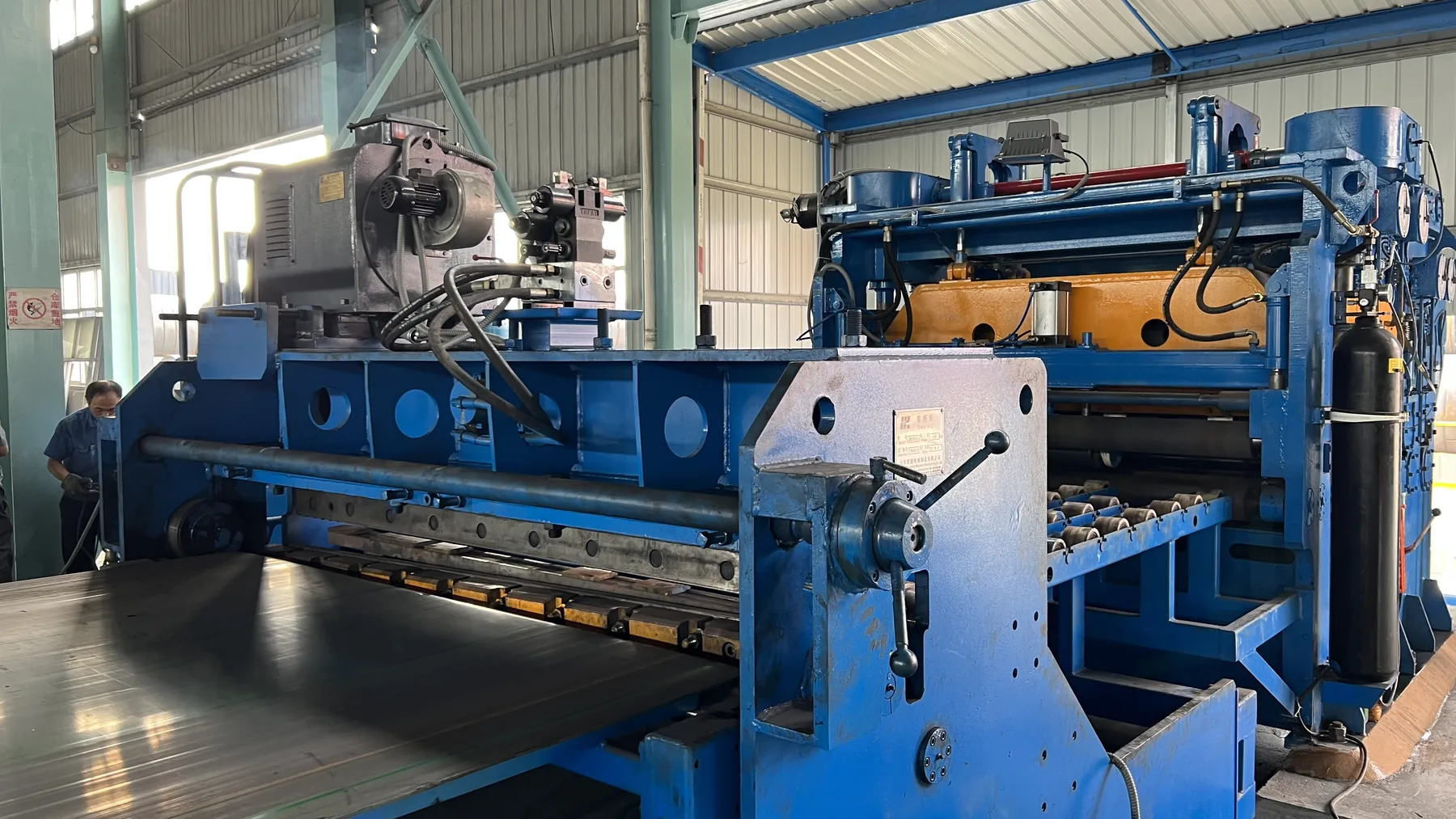
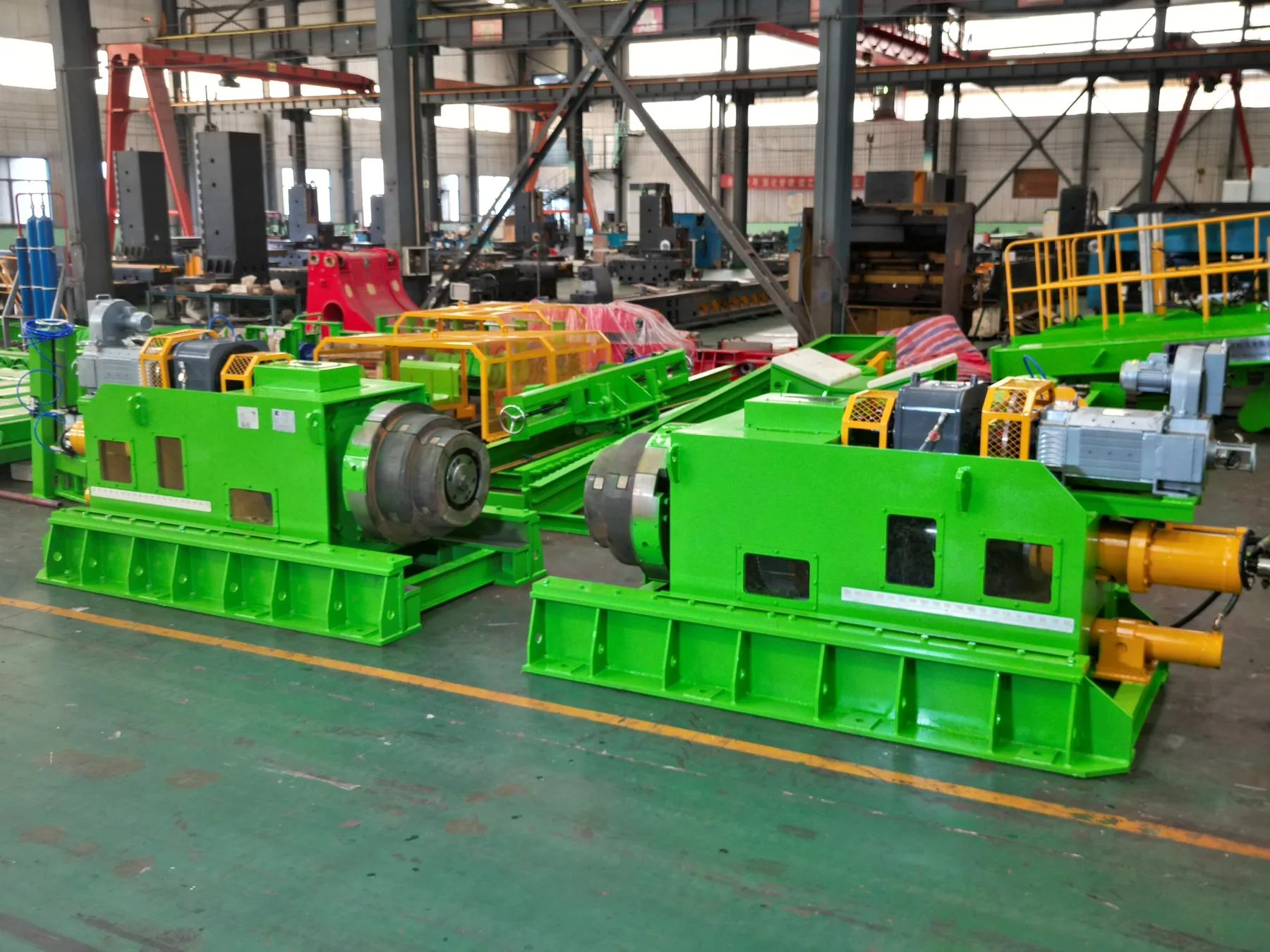
Manufacturing and equipment views selected for this topic
Every photograph assigned to this page is drawn from the supplied Hongkang product and project library. The rebuild uses a unique source image once across the website, matches it to the process described and removes embedded metadata before upload.
TECHNICAL FAQ
Questions buyers ask about cut to length line manufacturer
Does Hongkang offer a standard 1-30 mm line?
Hongkang has heavy-duty references, but 1-30 mm is not a universal catalogue promise. The maximum point must be checked against grade, strength, width, coil weight and expected duty cycle.
Which page should a slitting buyer start with?
Start with the Steel Coil Slitting Lines page, then review heavy-gauge or hot-rolled options and send the complete slit program through the RFQ form.
Can project cases remain anonymous?
Yes. The website can show country or region, equipment scope and technical evidence while withholding customer name and precise address.
What is required for a budgetary proposal?
Send material, coil, finished-product, output, plant and destination information. The RFQ page lists the exact fields used by engineering.
ENGINEERING RESPONSE
Send Coil Specifications
Share the material grade and strength, thickness-by-width matrix, coil dimensions, finished product, output and destination. Hongkang will identify missing data before preparing a technical route.