
HONGKANG COIL PROCESSING ENGINEERING
Slitting and Cut-to-Length Combined Line
A combined slitting and cut-to-length line can create sheets and narrow coils from one coil-entry system, but flexibility has value only when the product mix, changeover time, floor space and output targets justify the shared architecture.
Compare Combined LineDECISION FRAME
What this page is designed to resolve
This page supports Equipment purchase and technical comparison. It translates a broad equipment term into the inputs, limits and evidence that an engineering and purchasing team can compare. The primary evidence expected for this topic is relevant Hongkang equipment media, the stated operating matrix and measurable acceptance records.
In international specifications, related search and purchasing language includes combined slitting and cut to length line, combined slitting and CTL line. These labels can overlap, so Hongkang confirms the material duty, process route and acceptance boundary behind the name.
Information architecture
- When a combined line makes sense
- Two process routes, one material entrance
- Shared equipment has limits
- Changeover is an engineering metric
- Layout and handling decide usability
- Controls prevent wrong-route operation
- Compare lifecycle economics
ENGINEERING DETAIL
Slitting and Cut-to-Length Combined Line: decisions that change performance
The following sections focus on the mechanisms, interfaces and acceptance evidence that distinguish a project-ready specification from a catalogue description.
When a combined line makes sense
It suits plants that need both sheet and strip products but cannot justify two fully independent coil-entry systems. The business case should compare actual production hours, changeovers, finished-product demand and the cost of shared bottlenecks.
Two process routes, one material entrance
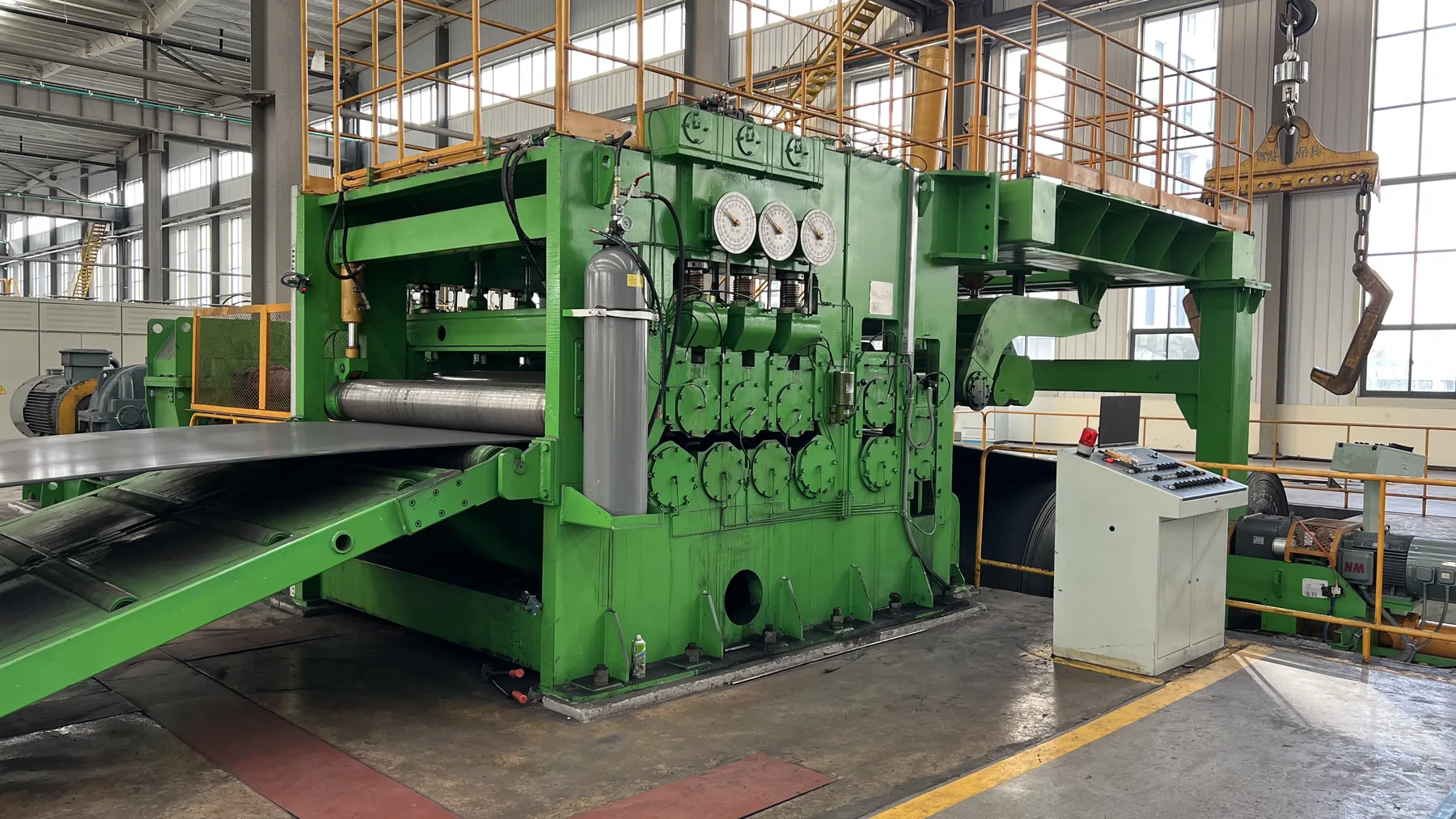
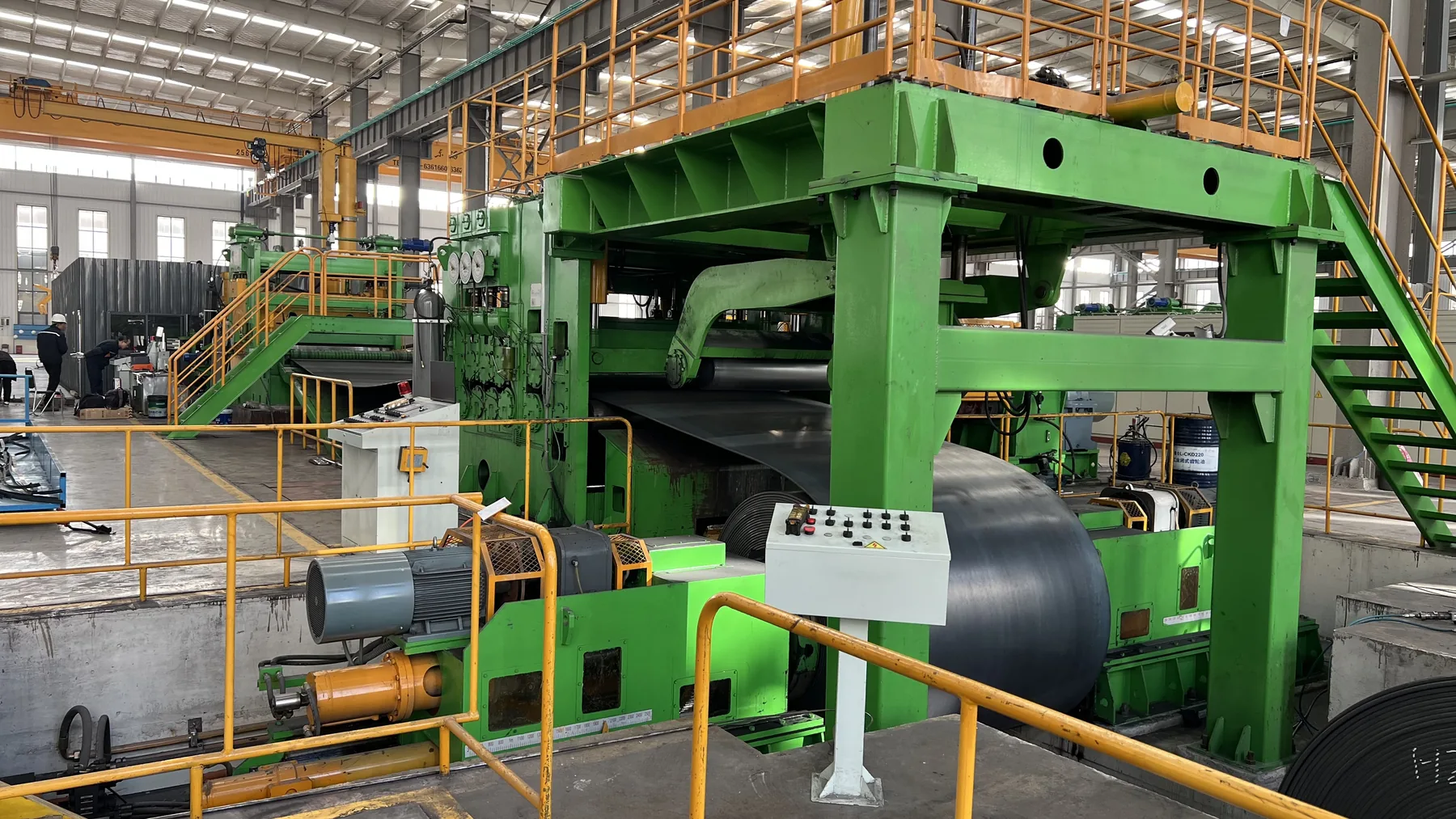
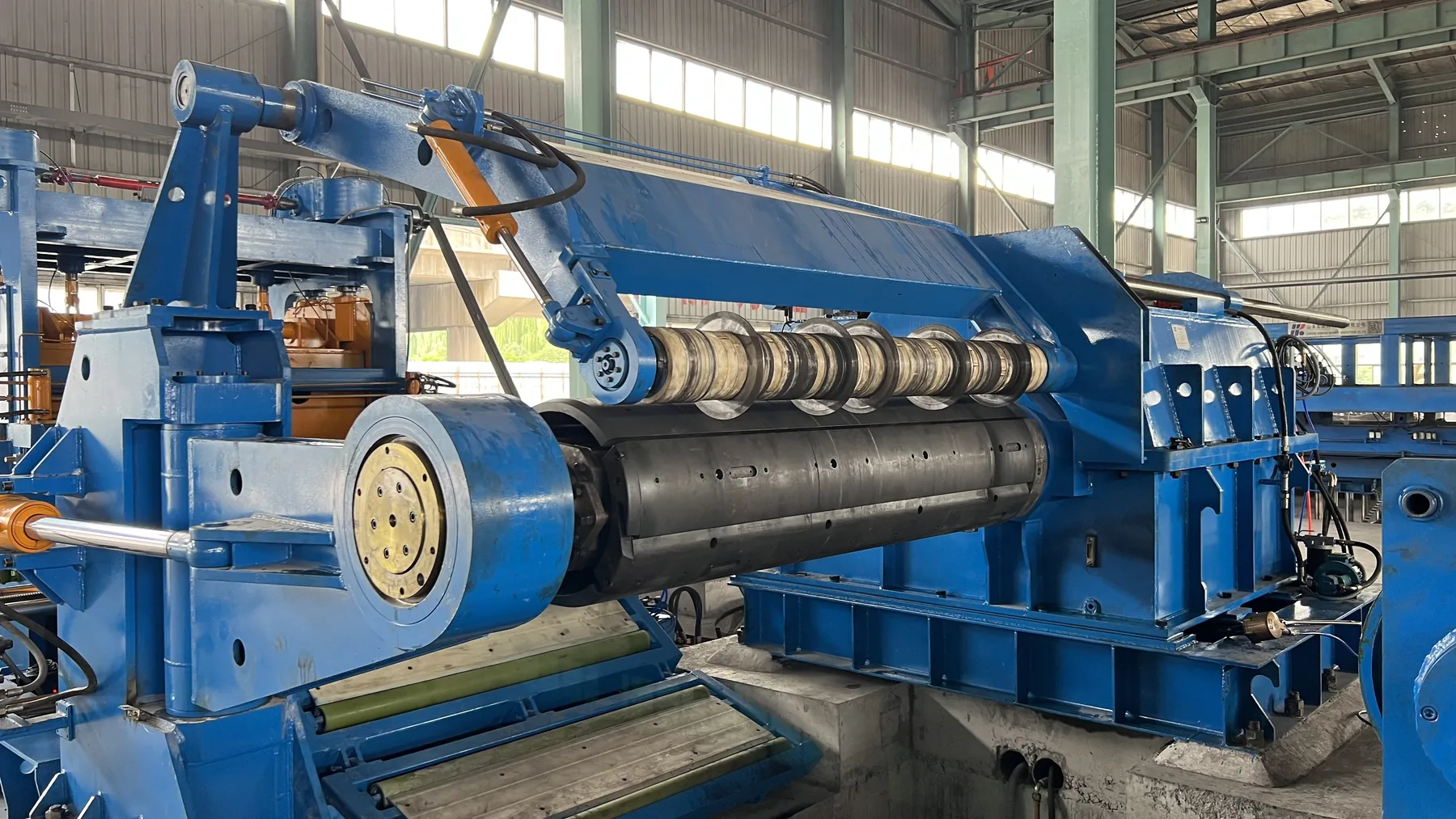
After decoiling and guiding, the strip is directed through the CTL route or the slitting and recoiling route. Diverter design, threading access and recipe controls must make the selected route clear and safe.
Shared equipment has limits
A common decoiler, entry straightener or leveler must satisfy both routes without becoming an output constraint. Surface, tension and loop requirements differ, so the technical agreement should identify which functions are shared and which are dedicated.
Changeover is an engineering metric
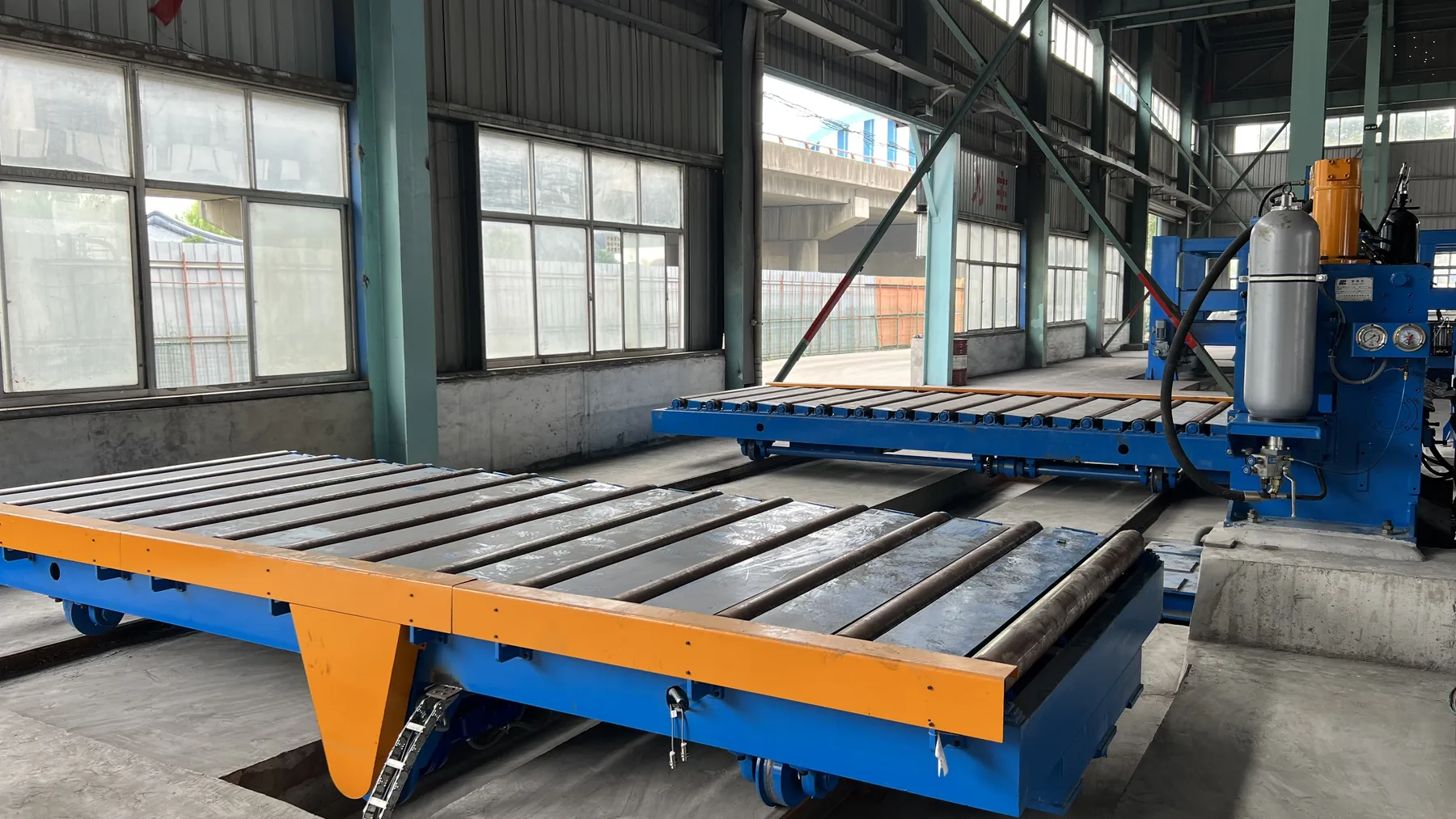
Measure the sequence from the last acceptable product in one mode to the first acceptable product in the other. Knife setup, route clearing, table movement, control recipes and safety checks all belong in the stated changeover time.
Layout and handling decide usability
The plant needs clear space for sheet stacking, slit-coil removal, tooling service and scrap handling. Crane paths and finished-product traffic should be tested on the preliminary layout before equipment manufacture.
Controls prevent wrong-route operation
Mode selection, interlocks, permissives, speed references and operator screens should reflect the active process. Diagnostics must identify why a route cannot start rather than forcing operators to bypass protections.
Compare lifecycle economics
A lower initial footprint can be offset by longer changeovers or shared downtime. The evaluation should include output, labor, tooling, maintenance, foundation, utilities and the cost of lost production when shared equipment stops.
ENGINEERING INPUTS
Data required for a defensible slitting and cut to length line
Use this checklist to keep technical offers comparable. Each item should be linked to a normal production condition, a maximum-duty condition or an explicit acceptance test.
| Input | Why it changes the design | How to document it |
|---|---|---|
| Annual sheet and slit-coil demand | It defines the force, torque, geometry or handling boundary used to size the equipment. | Provide a material certificate, product matrix or marked drawing. |
| Changeover frequency and target time | It separates the normal production range from an occasional maximum-duty point. | List representative products and annual or shift volume. |
| Functions shared between routes | It turns a general quality statement into a repeatable factory and site test. | State the sample, instrument, support condition and permissible result. |
| Maximum duty for each route | It affects interfaces, changeover, operator workload and safe access. | Add it to the layout, responsibility matrix or FAT protocol. |
| Floor space and product-flow conflicts | It defines the force, torque, geometry or handling boundary used to size the equipment. | Provide a material certificate, product matrix or marked drawing. |
| Tooling and scrap-handling requirements | It separates the normal production range from an occasional maximum-duty point. | List representative products and annual or shift volume. |
| Downtime and lifecycle-cost assumptions | It turns a general quality statement into a repeatable factory and site test. | State the sample, instrument, support condition and permissible result. |
FROM OFFER TO ACCEPTANCE
How Hongkang converts the requirement into accountable scope
Confirm the duty matrix
Engineering checks the normal and limiting combinations of material, size, coil condition and finished product. Conflicts are clarified before capacity is promised.
Freeze process and interfaces
The technical agreement names equipment boundaries, utilities, controls, plant responsibilities, applicable standards and documentation.
Manufacture with records
Relevant material, fabrication, machining, assembly and purchased-component records follow the project inspection plan.
Test representative performance
FAT uses agreed material and measurements. Open items are recorded, corrected and verified before shipment release.
Install and transfer knowledge
Site alignment, utilities, safety functions, material trials, operator training and spare-parts handover support the path to production.
PROJECT-SOURCED VISUAL EVIDENCE
Manufacturing and equipment views selected for this topic
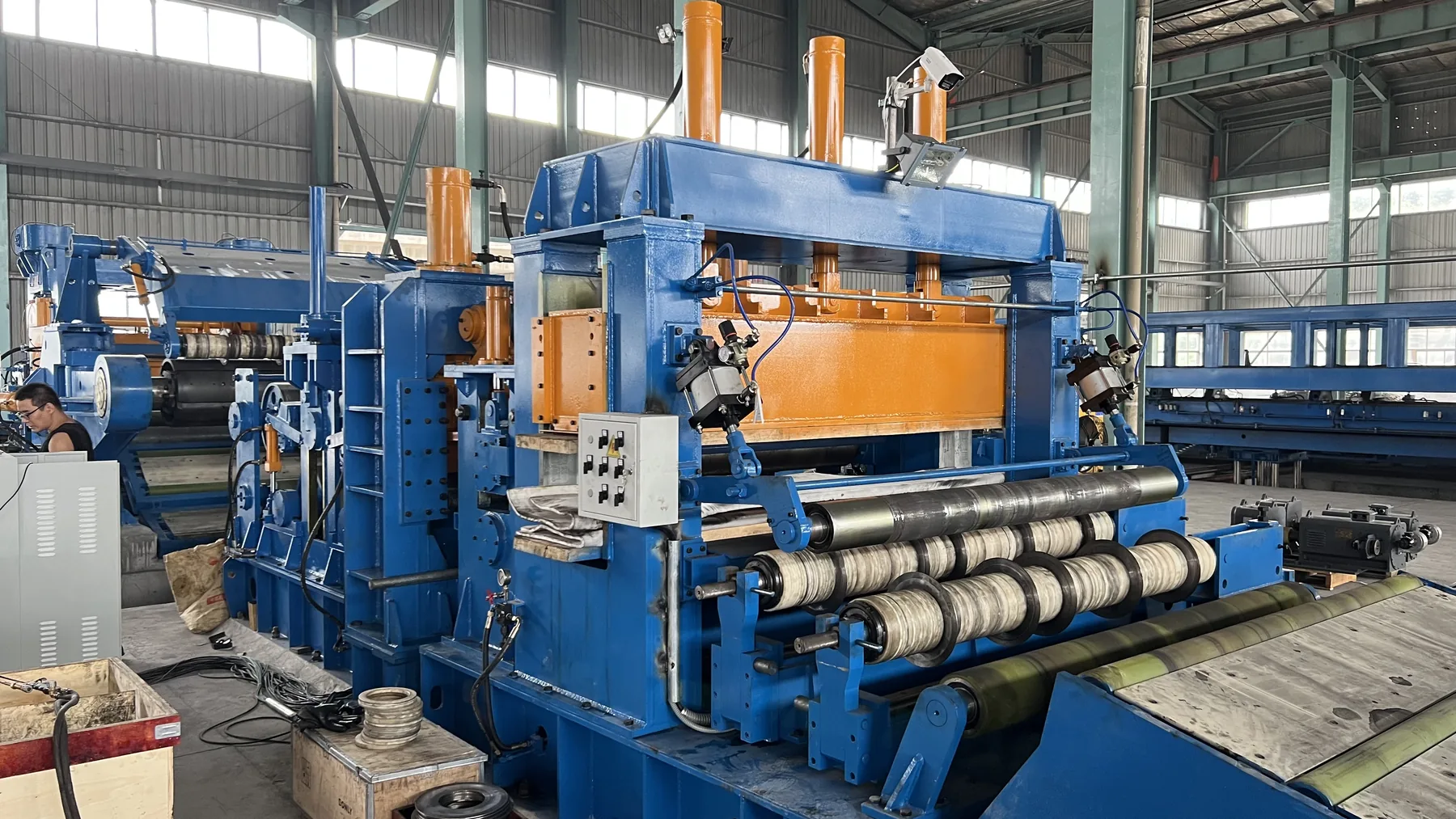
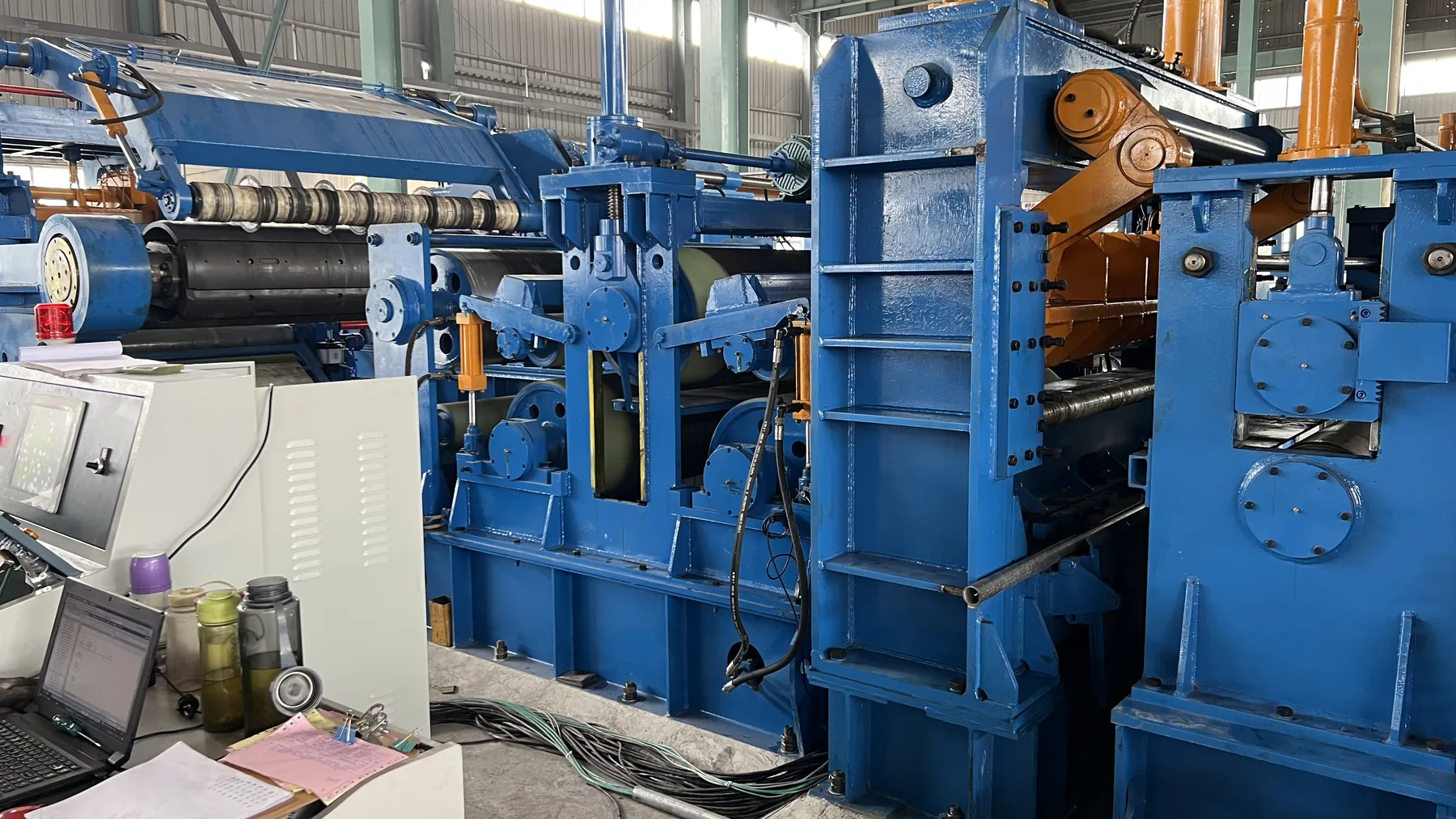
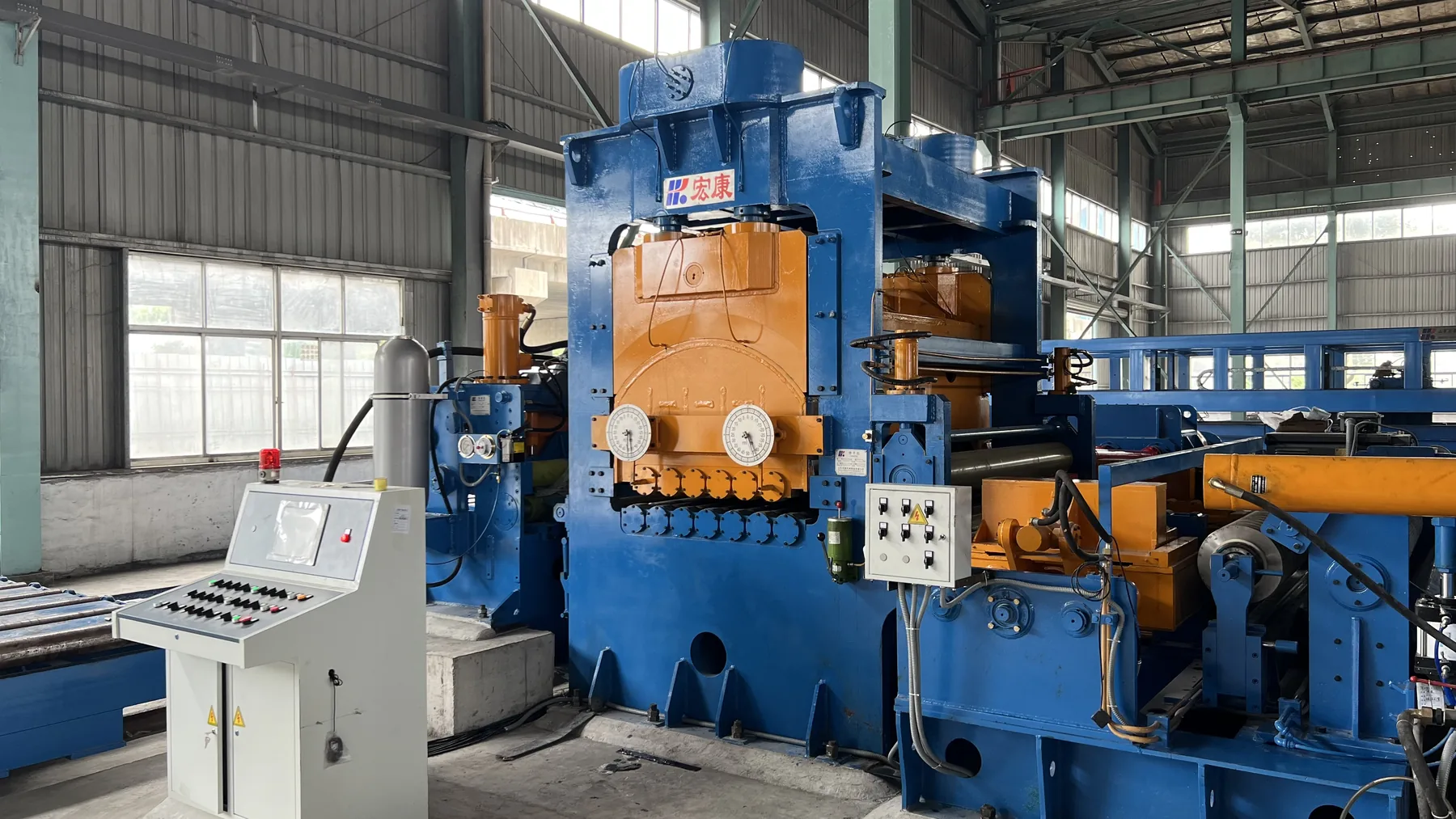
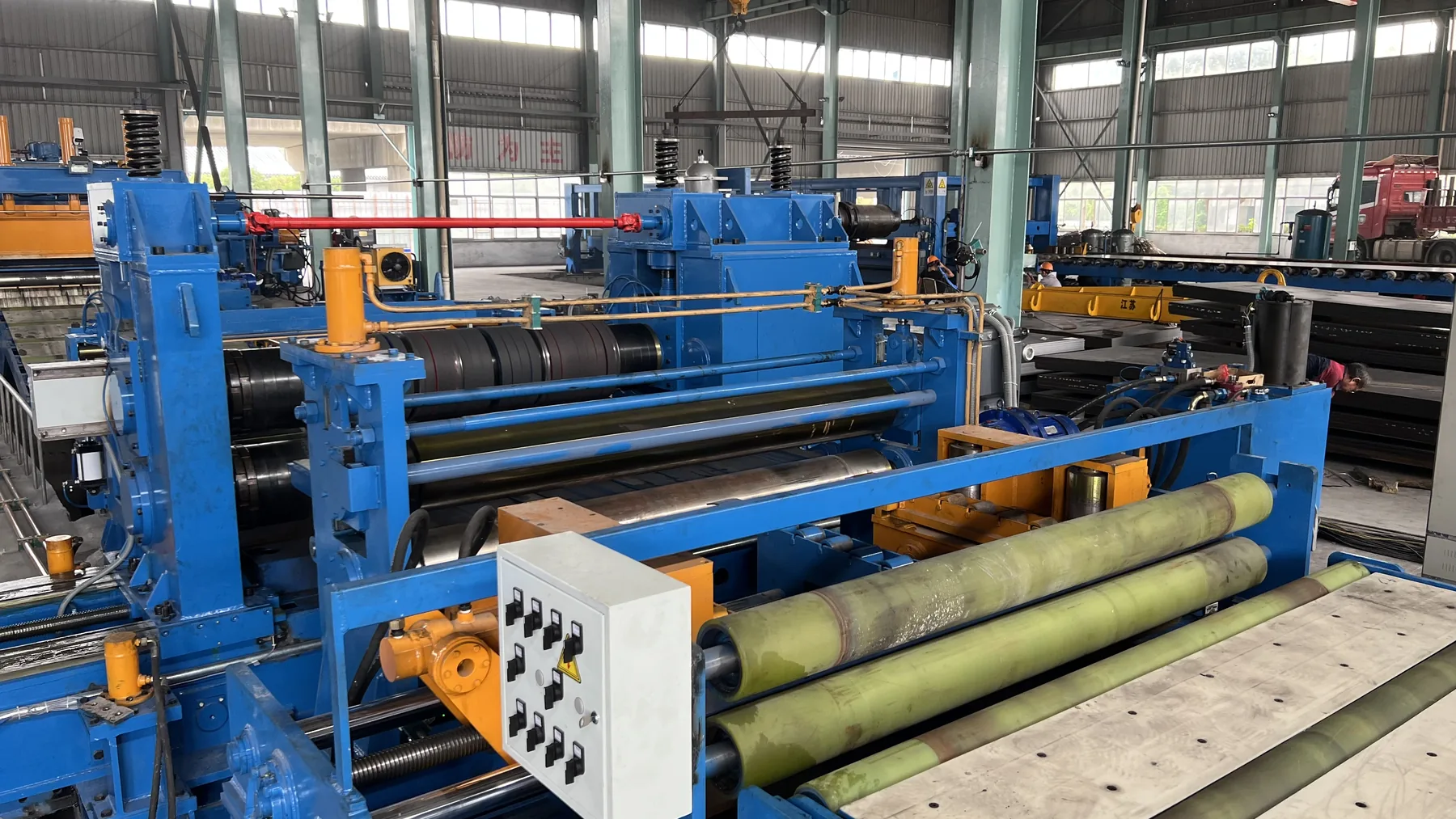
Every photograph assigned to this page is drawn from the supplied Hongkang product and project library. The rebuild uses a unique source image once across the website, matches it to the process described and removes embedded metadata before upload.
Operating video from the supplied project library
TECHNICAL FAQ
Questions buyers ask about slitting and cut to length line
Is a combined line always cheaper than two lines?
No. It may reduce duplicated equipment and space, but output, changeover and shared-downtime costs must be compared.
Can both routes operate at the same time?
Most combined concepts use one route at a time. The exact architecture must be confirmed.
What should be demonstrated at FAT?
Threading and operation in both modes, route interlocks, recipe selection, product quality and the agreed changeover procedure.
Which buyers should avoid a combined line?
Plants requiring simultaneous high-volume sheet and slit-coil production are usually better served by independent lines.
ENGINEERING RESPONSE
Compare Combined Line
Share the material grade and strength, thickness-by-width matrix, coil dimensions, finished product, output and destination. Hongkang will identify missing data before preparing a technical route.