
HONGKANG COIL PROCESSING ENGINEERING
Heavy Gauge Cut to Length Line
Heavy-gauge cut-to-length equipment is primarily a stiffness, torque and safe-handling problem. The line must plastically work the plate enough to remove coil set while controlling frame deflection, shear load and the movement of very heavy finished pieces.
Request Heavy Gauge LayoutDECISION FRAME
What this page is designed to resolve
This page supports Heavy-duty equipment purchase. It translates a broad equipment term into the inputs, limits and evidence that an engineering and purchasing team can compare. The primary evidence expected for this topic is relevant Hongkang equipment media, the stated operating matrix and measurable acceptance records.
In international specifications, related search and purchasing language includes heavy duty cut to length line, thick plate cut to length line, heavy gauge CTL line, 25mm cut to length line, 20mm cut to length line, 2500mm cut to length line, 40 ton coil cut to length line, thick steel coil leveling line, heavy duty CTL. These labels can overlap, so Hongkang confirms the material duty, process route and acceptance boundary behind the name.
Information architecture
- Why thick plate does not behave like thin sheet
- Reinforced frames and roll support
- Coil entry and threading at heavy gauge
- Shearing and plate discharge
- Flatness verification
- Duty point versus production range
- Foundation and service access
ENGINEERING DETAIL
Heavy Gauge Cut to Length Line: decisions that change performance
The following sections focus on the mechanisms, interfaces and acceptance evidence that distinguish a project-ready specification from a catalogue description.
Why thick plate does not behave like thin sheet
As section modulus and material strength rise, entry flattening force, leveling torque and shear force rise quickly. Residual stress may also reveal crossbow or edge wave after cutting. The proposal must therefore state the grade and width at every heavy point, not only the nominal thickness.
Reinforced frames and roll support
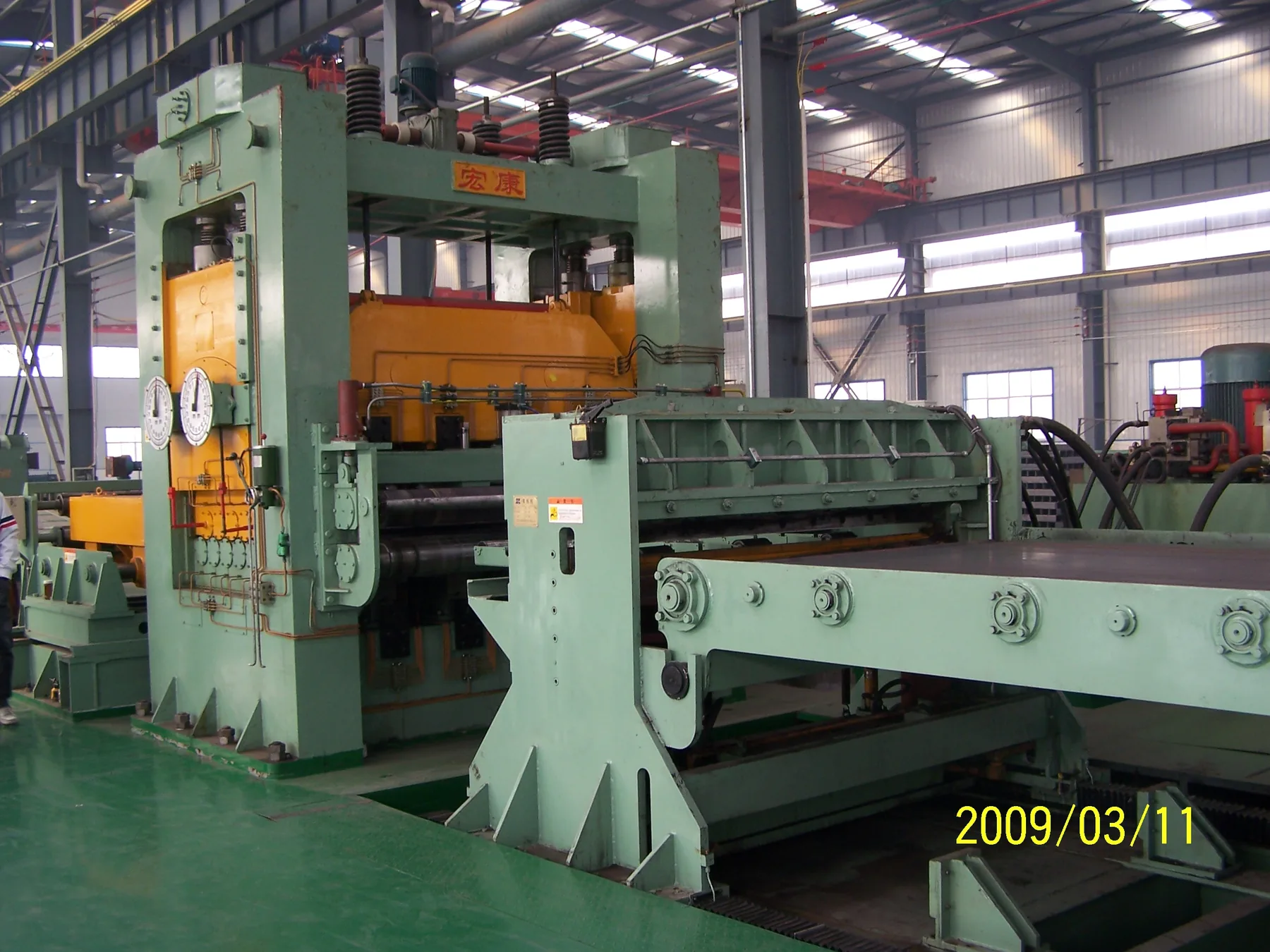
Deep fabricated housings, appropriate roll diameter, short unsupported spans, backup rolls and controlled gap adjustment reduce deflection under load. Bearing selection, coupling capacity and drivetrain service factor are reviewed together with the expected percentage of heavy production.
Coil entry and threading at heavy gauge
A high-capacity coil car, secure mandrel expansion, hold-down, peeler and pinch arrangement must control the strip head without unsafe manual intervention. Entry guides and bridge tables need enough stiffness to resist a springing thick plate.
Shearing and plate discharge
The shear structure is selected from cut force, width, grade and desired cycle. Downstream conveyors and stackers must support plate mass during transfer, keep the leading edge controlled and allow safe pack removal within the crane envelope.
Flatness verification
A useful flatness guarantee names the material, thickness, width, sample length, support condition and measurement rule. Short offcuts and light test material cannot validate a heavy-gauge operating claim.
Duty point versus production range
An occasional 25 or 30 mm coil may justify a different motor and throughput expectation than the normal 8-16 mm mix. Separating these cases improves price clarity and avoids unrealistic speed promises at the maximum section.
Foundation and service access
Heavy units create concentrated static and dynamic loads. The preliminary layout must leave room for roll change, knife service, drive removal, hydraulic access, scrap handling and lifting paths before civil work begins.
ENGINEERING INPUTS
Data required for a defensible heavy gauge cut to length line
Use this checklist to keep technical offers comparable. Each item should be linked to a normal production condition, a maximum-duty condition or an explicit acceptance test.
| Input | Why it changes the design | How to document it |
|---|---|---|
| Thickness-width-strength combinations | It defines the force, torque, geometry or handling boundary used to size the equipment. | Provide a material certificate, product matrix or marked drawing. |
| Percentage of production above 16 mm | It separates the normal production range from an occasional maximum-duty point. | List representative products and annual or shift volume. |
| Work-roll and backup-roll arrangement | It turns a general quality statement into a repeatable factory and site test. | State the sample, instrument, support condition and permissible result. |
| Drive torque and service factor | It affects interfaces, changeover, operator workload and safe access. | Add it to the layout, responsibility matrix or FAT protocol. |
| Shear force and blade access | It defines the force, torque, geometry or handling boundary used to size the equipment. | Provide a material certificate, product matrix or marked drawing. |
| Plate transfer mass and stack height | It separates the normal production range from an occasional maximum-duty point. | List representative products and annual or shift volume. |
| Flatness test method and FAT coil | It turns a general quality statement into a repeatable factory and site test. | State the sample, instrument, support condition and permissible result. |
FROM OFFER TO ACCEPTANCE
How Hongkang converts the requirement into accountable scope
Confirm the duty matrix
Engineering checks the normal and limiting combinations of material, size, coil condition and finished product. Conflicts are clarified before capacity is promised.
Freeze process and interfaces
The technical agreement names equipment boundaries, utilities, controls, plant responsibilities, applicable standards and documentation.
Manufacture with records
Relevant material, fabrication, machining, assembly and purchased-component records follow the project inspection plan.
Test representative performance
FAT uses agreed material and measurements. Open items are recorded, corrected and verified before shipment release.
Install and transfer knowledge
Site alignment, utilities, safety functions, material trials, operator training and spare-parts handover support the path to production.
PROJECT-SOURCED VISUAL EVIDENCE
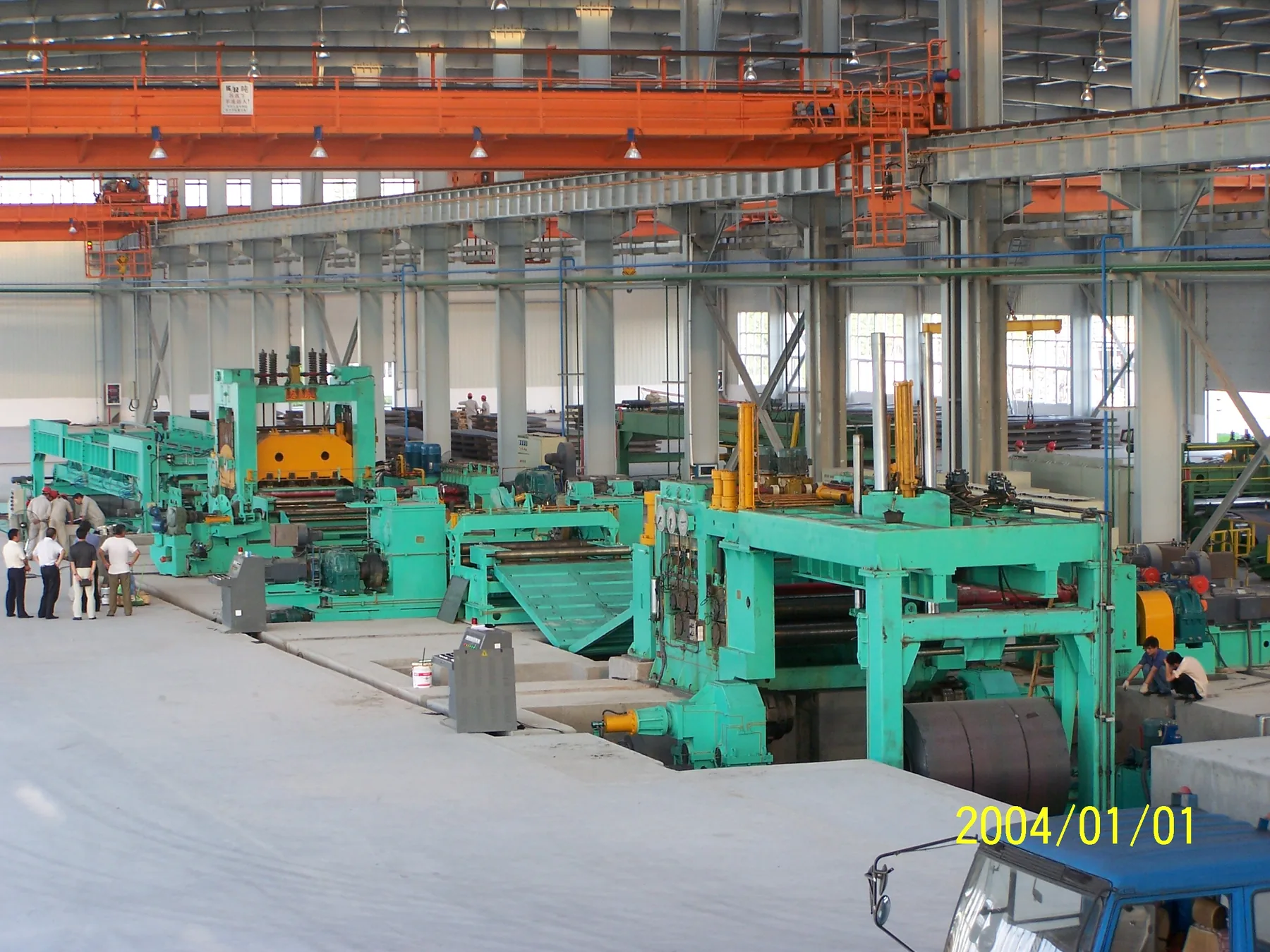
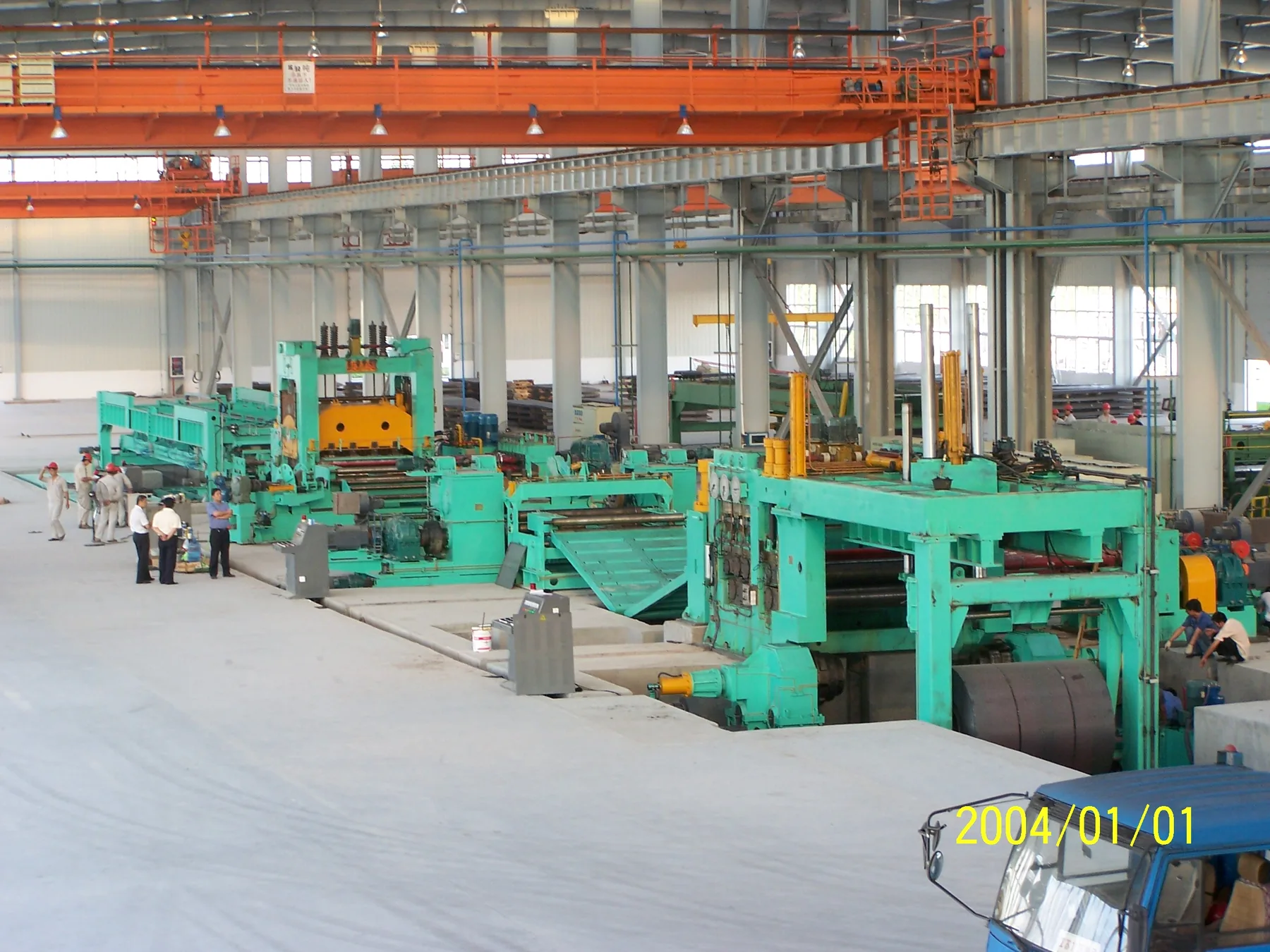
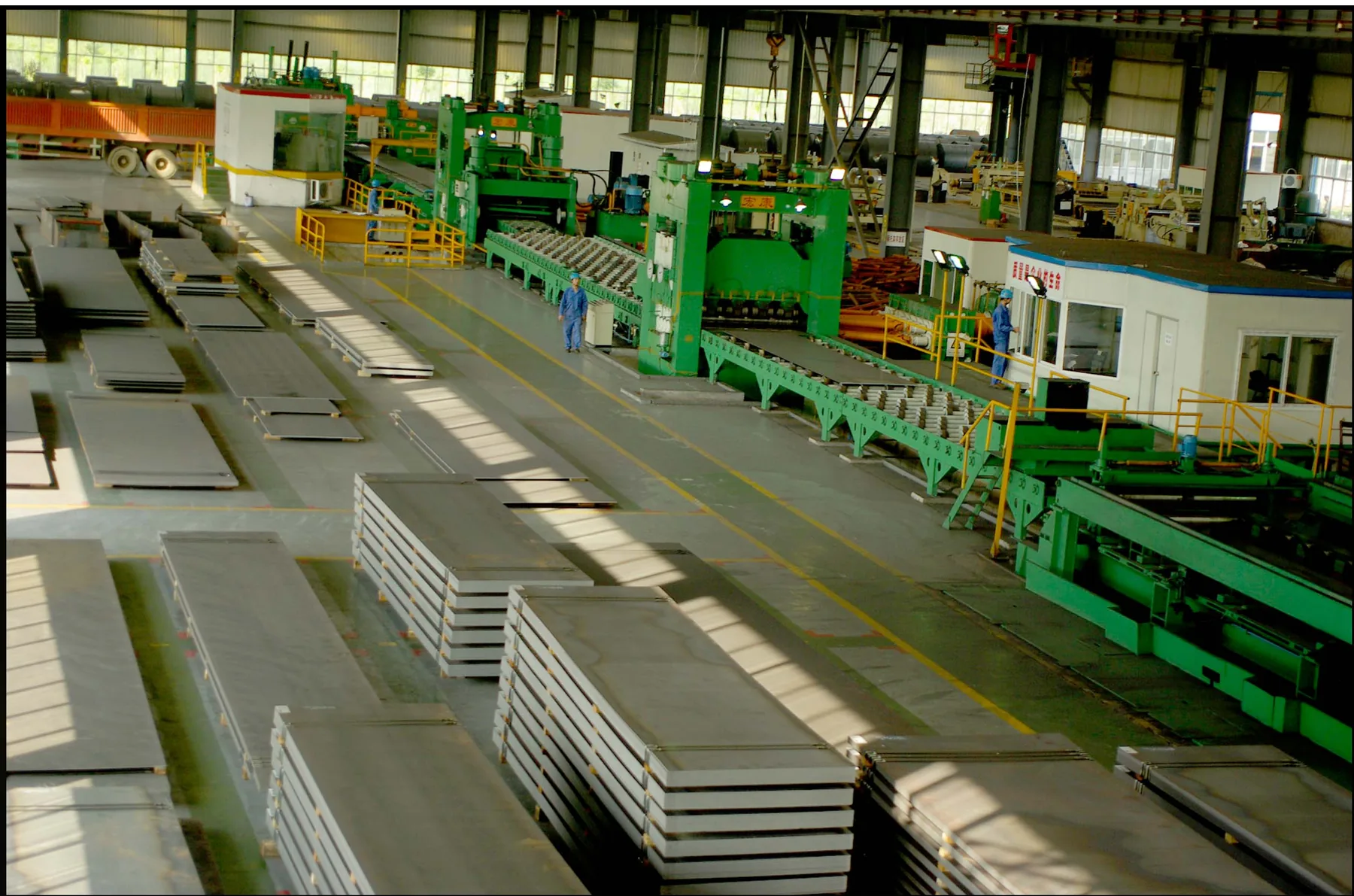
Manufacturing and equipment views selected for this topic
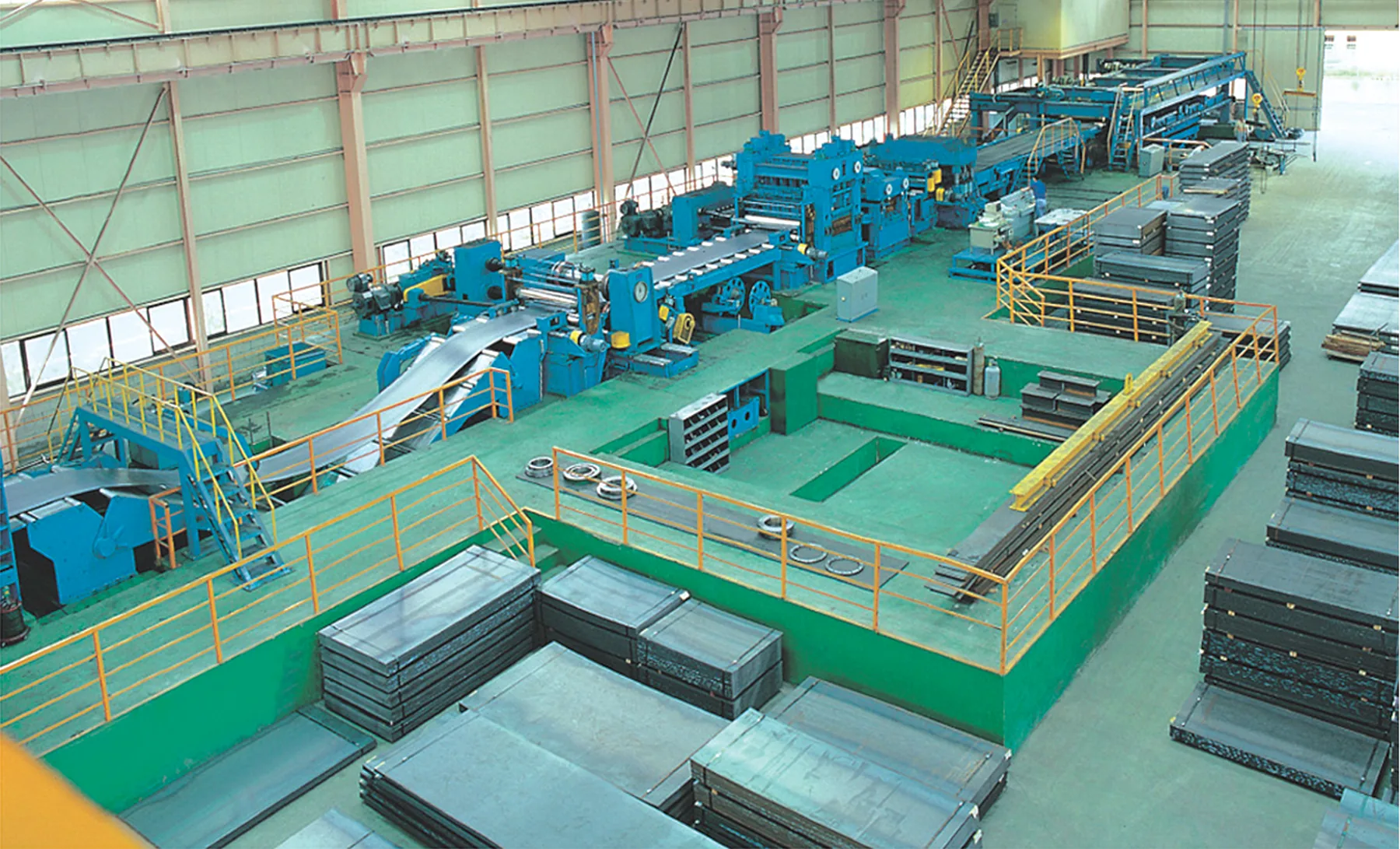
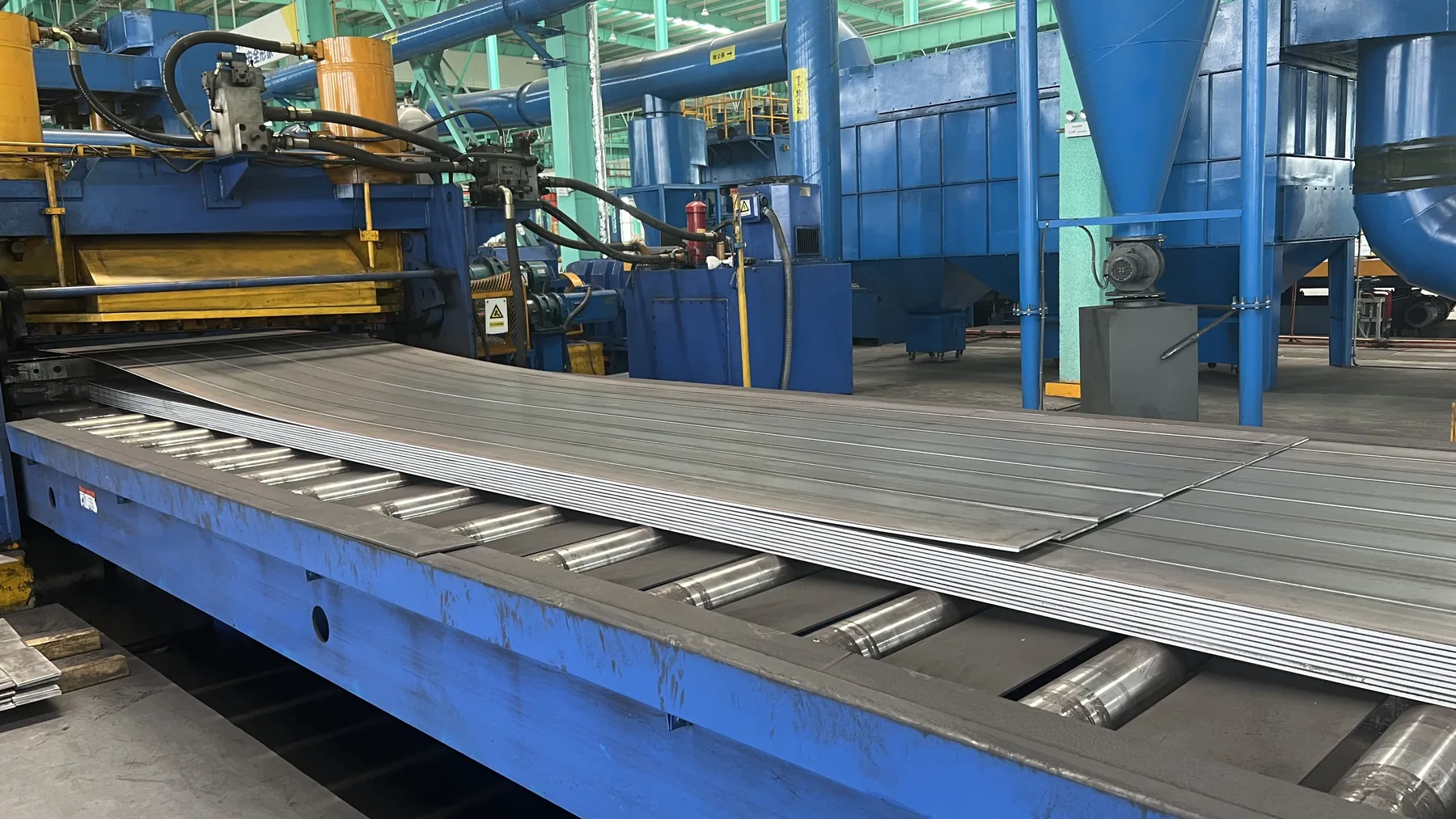
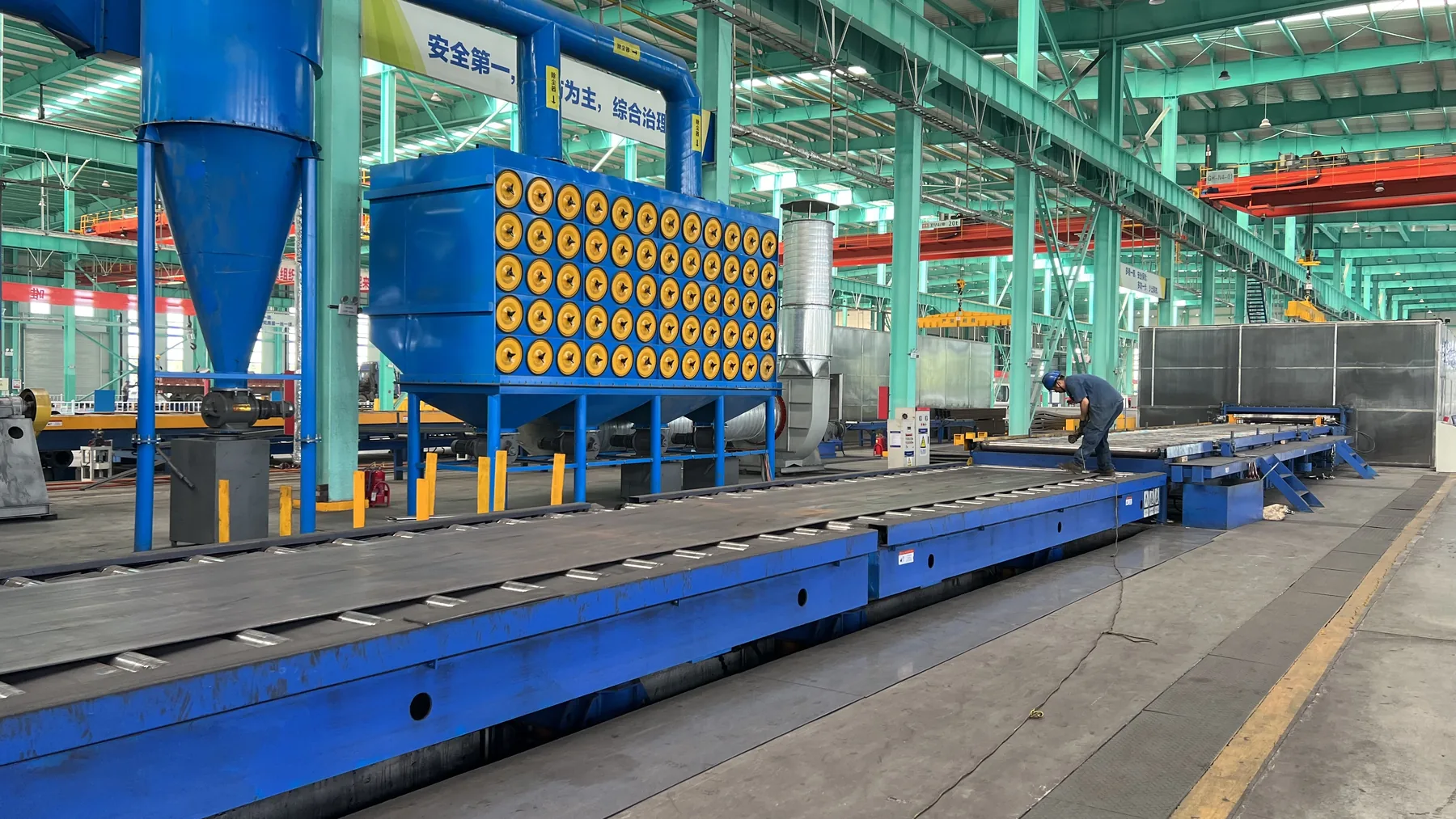
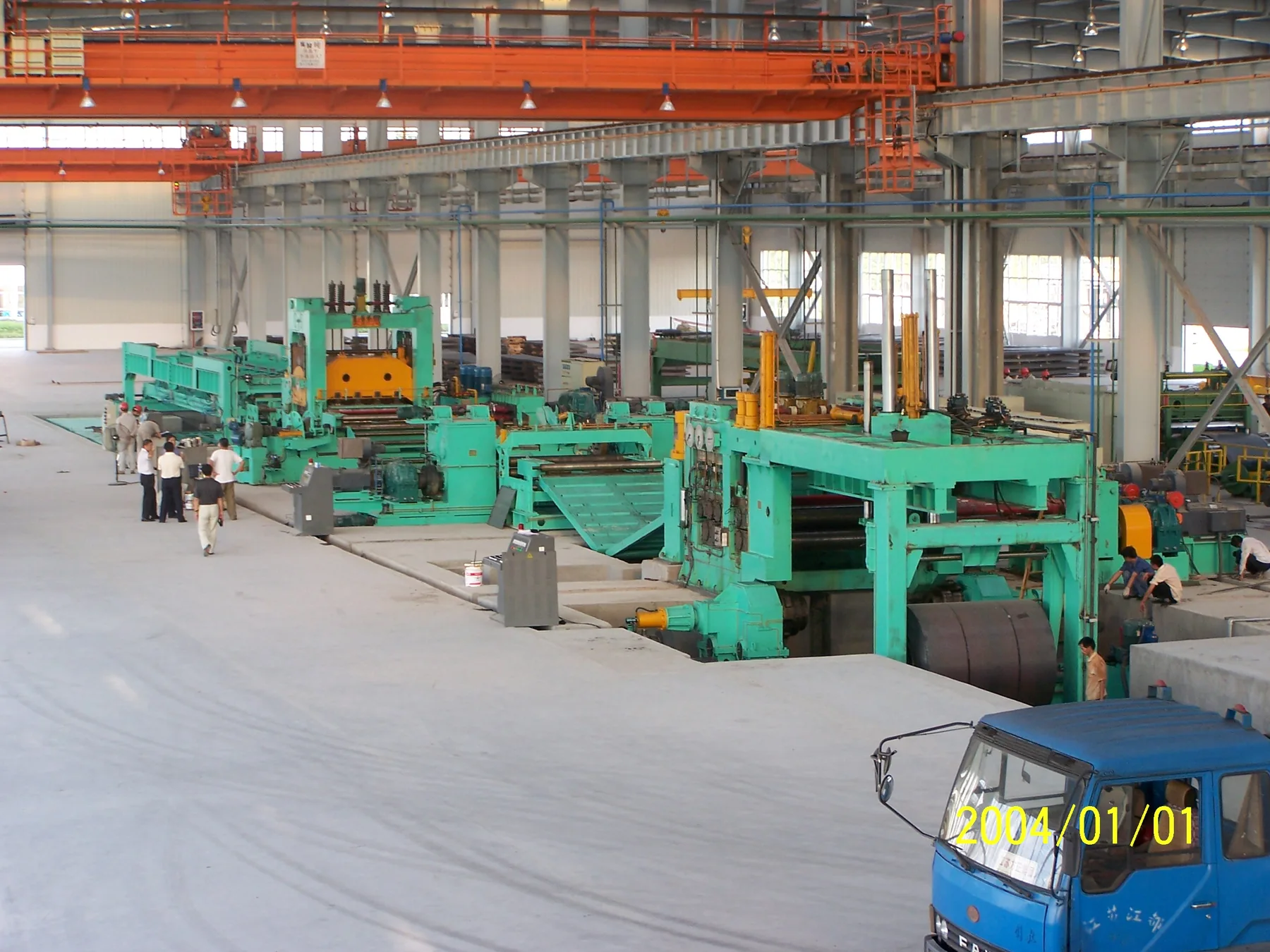
Every photograph assigned to this page is drawn from the supplied Hongkang product and project library. The rebuild uses a unique source image once across the website, matches it to the process described and removes embedded metadata before upload.
Operating video from the supplied project library
TECHNICAL FAQ
Questions buyers ask about heavy gauge cut to length line
Can the maximum thickness run at maximum width?
Only if the technical agreement explicitly confirms that combination for the stated material strength. Capacity limits should be written as a matrix.
Why are backup rolls important?
They support the working rolls and help control deflection across the width under high separating force.
What should a heavy-gauge FAT include?
Representative material, threading, leveling, cutting, stack transfer, alarms, interlocks, dimensional checks and an agreed flatness measurement.
Is a pit always required?
Not always. The final arrangement depends on accumulator needs, equipment elevation, coil path, civil constraints and chosen handling method.
ENGINEERING RESPONSE
Request Heavy Gauge Layout
Share the material grade and strength, thickness-by-width matrix, coil dimensions, finished product, output and destination. Hongkang will identify missing data before preparing a technical route.