
HONGKANG COIL PROCESSING ENGINEERING
How to Choose a Cut-to-Length Line
Choosing a cut-to-length line starts with a material and product matrix, then connects that matrix to leveling, feeding, cutting, stacking, automation, layout and acceptance. A headline maximum thickness is not enough to compare proposals.
Download CTL ChecklistDECISION FRAME
What this page is designed to resolve
This page supports Pre-purchase engineering research. It translates a broad equipment term into the inputs, limits and evidence that an engineering and purchasing team can compare. The primary evidence expected for this topic is relevant Hongkang equipment media, the stated operating matrix and measurable acceptance records.
In international specifications, related search and purchasing language includes CTL selection guide. These labels can overlap, so Hongkang confirms the material duty, process route and acceptance boundary behind the name.
Information architecture
- Build the operating matrix
- Define finished-sheet quality
- Select the process route
- Compare proposals on the same boundary
- Make FAT part of selection
ENGINEERING DETAIL
How to Choose a Cut-to-Length Line: decisions that change performance
The following sections focus on the mechanisms, interfaces and acceptance evidence that distinguish a project-ready specification from a catalogue description.
Build the operating matrix
List grade, yield strength, tensile strength, thickness, width, coil mass, ID, OD and surface for normal and limiting products. Mark impossible combinations so suppliers do not price an unintended maximum-strength, maximum-width case.
Define finished-sheet quality
Length and diagonal tolerance, flatness, cut edge, surface marks, stack alignment and pack size should be measurable. State the sample, support and instrument method for each important criterion.
Select the process route
Entry straightening, precision leveling, stop-start feeding, flying cutting, rotary cutting, conventional stacking and magnetic or vacuum handling each serve different product ranges and output goals.
Compare proposals on the same boundary
Check included coil handling, tooling, hydraulics, controls, guarding, installation, commissioning, training, test material, documentation and spares. A lower price may simply omit necessary scope.
Make FAT part of selection
A supplier that can explain the representative test coil, measurements and acceptance sequence is easier to compare than one offering only nominal machine parameters.
ENGINEERING INPUTS
Data required for a defensible how to choose a cut to length line
Use this checklist to keep technical offers comparable. Each item should be linked to a normal production condition, a maximum-duty condition or an explicit acceptance test.
| Input | Why it changes the design | How to document it |
|---|---|---|
| Operating matrix | It defines the force, torque, geometry or handling boundary used to size the equipment. | Provide a material certificate, product matrix or marked drawing. |
| Finished-sheet tolerances | It separates the normal production range from an occasional maximum-duty point. | List representative products and annual or shift volume. |
| Normal production mix | It turns a general quality statement into a repeatable factory and site test. | State the sample, instrument, support condition and permissible result. |
| Required output and automation | It affects interfaces, changeover, operator workload and safe access. | Add it to the layout, responsibility matrix or FAT protocol. |
| Plant layout and utilities | It defines the force, torque, geometry or handling boundary used to size the equipment. | Provide a material certificate, product matrix or marked drawing. |
| Scope and interface comparison | It separates the normal production range from an occasional maximum-duty point. | List representative products and annual or shift volume. |
| FAT and service plan | It turns a general quality statement into a repeatable factory and site test. | State the sample, instrument, support condition and permissible result. |
FROM OFFER TO ACCEPTANCE
How Hongkang converts the requirement into accountable scope
Confirm the duty matrix
Engineering checks the normal and limiting combinations of material, size, coil condition and finished product. Conflicts are clarified before capacity is promised.
Freeze process and interfaces
The technical agreement names equipment boundaries, utilities, controls, plant responsibilities, applicable standards and documentation.
Manufacture with records
Relevant material, fabrication, machining, assembly and purchased-component records follow the project inspection plan.
Test representative performance
FAT uses agreed material and measurements. Open items are recorded, corrected and verified before shipment release.
Install and transfer knowledge
Site alignment, utilities, safety functions, material trials, operator training and spare-parts handover support the path to production.
PROJECT-SOURCED VISUAL EVIDENCE
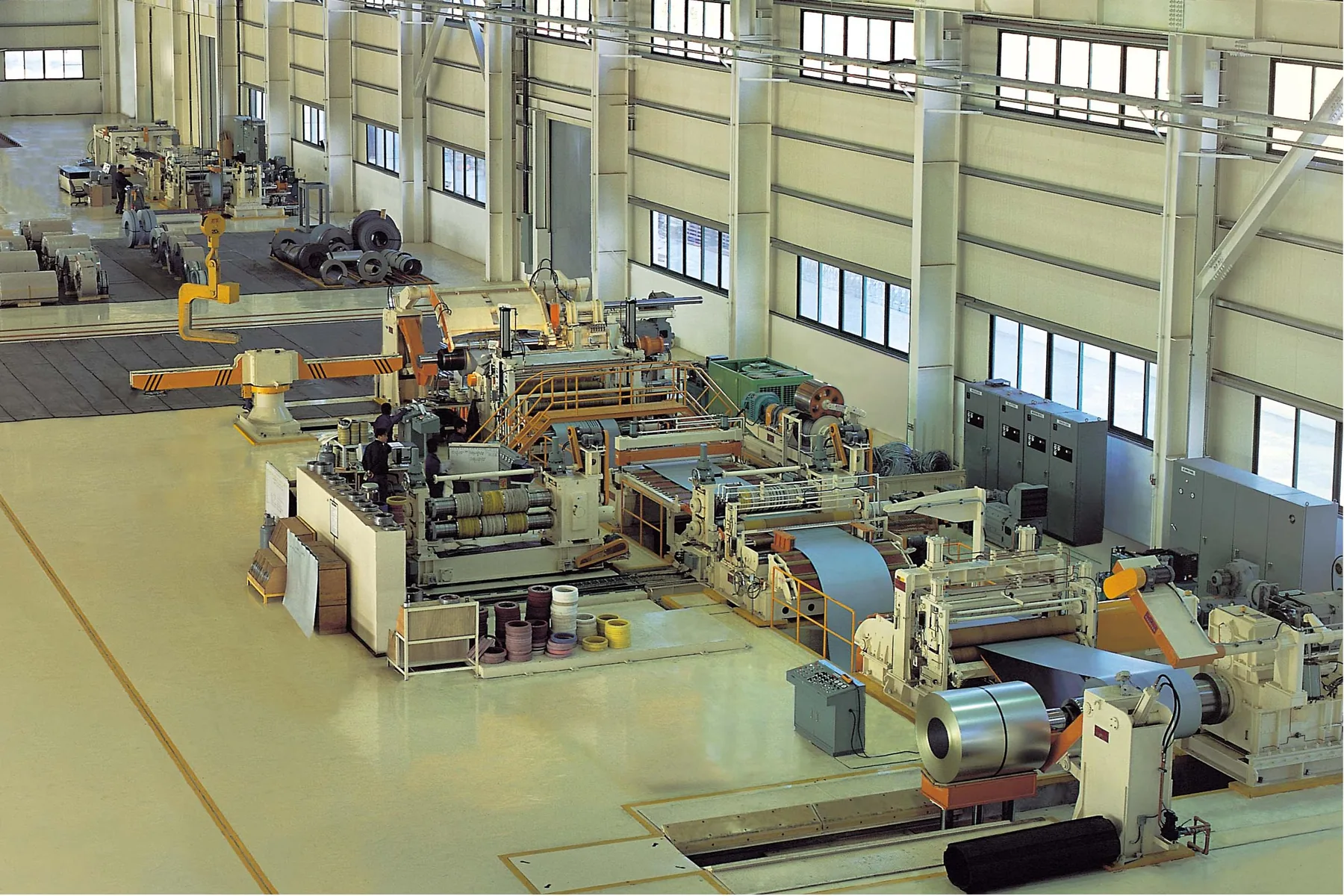
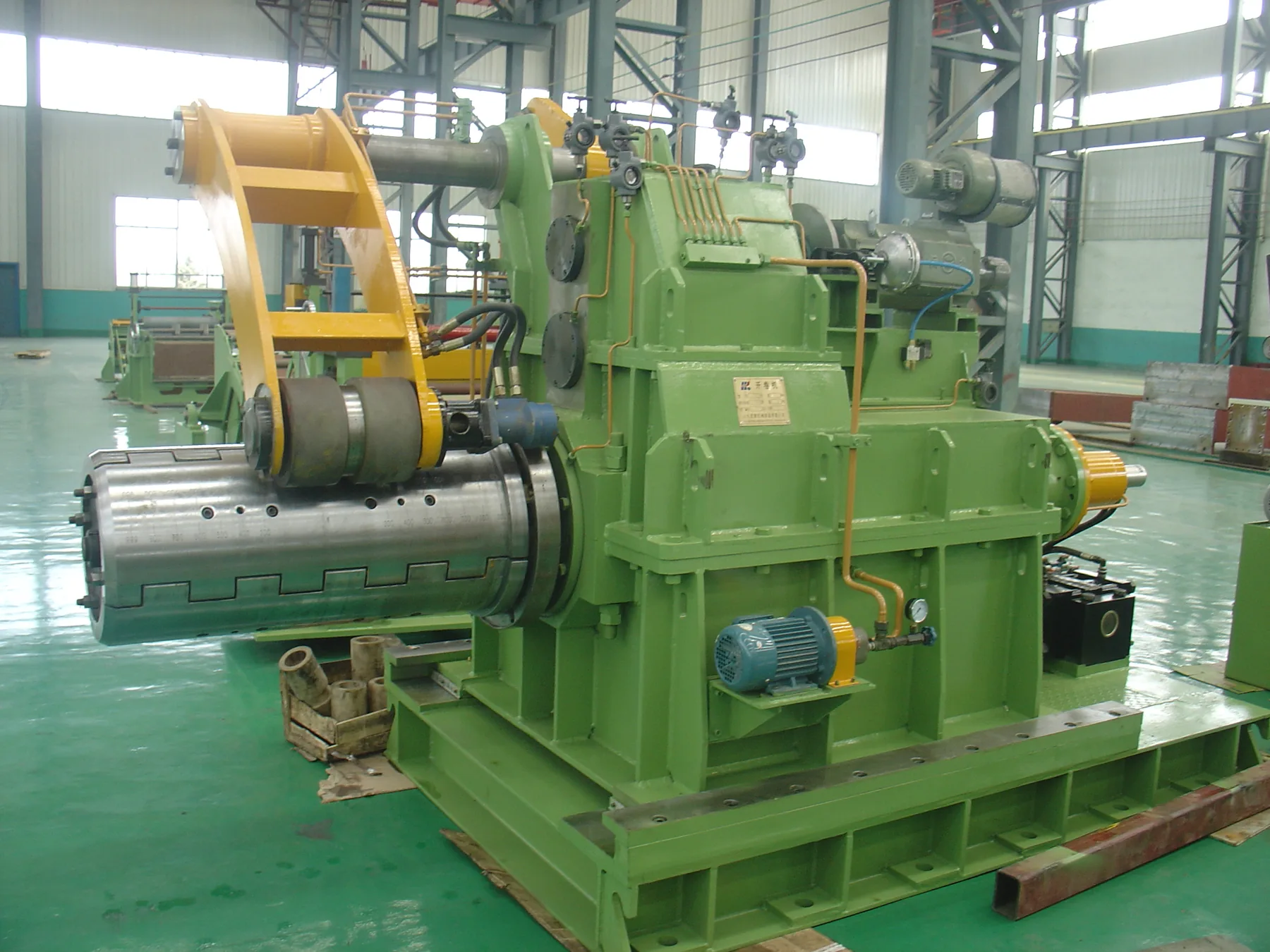
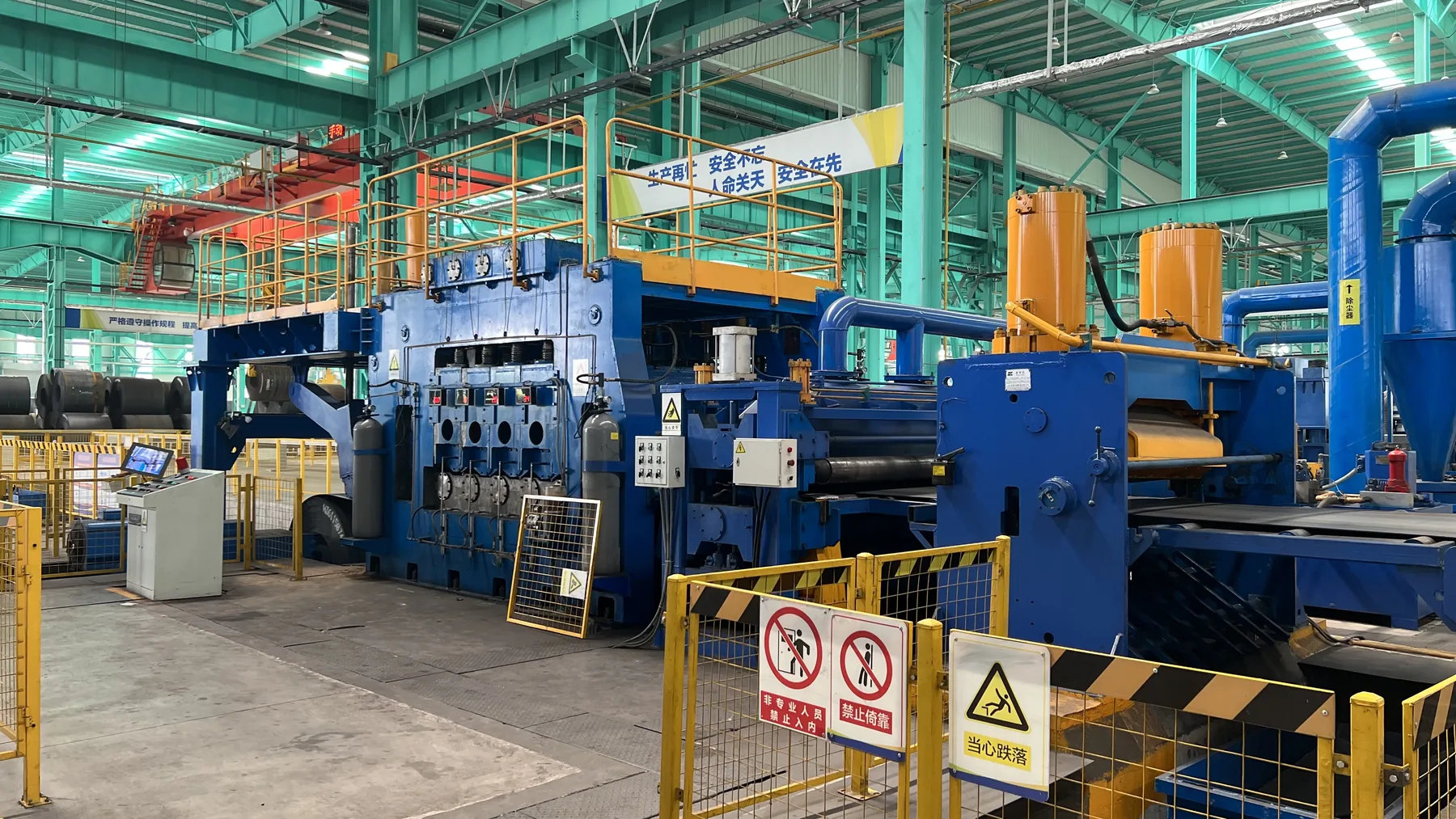
Manufacturing and equipment views selected for this topic
Every photograph assigned to this page is drawn from the supplied Hongkang product and project library. The rebuild uses a unique source image once across the website, matches it to the process described and removes embedded metadata before upload.
TECHNICAL FAQ
Questions buyers ask about how to choose a cut to length line
What data should I send first?
Send the material matrix, coil dimensions, sheet sizes, tolerances, output target and plant constraints.
Should I choose by maximum thickness?
No. Width, strength, product mix and quality targets determine the actual duty.
Is a flying shear always faster?
It can reduce stop-start cycles, but suitability depends on gauge, cut length, accuracy, maintenance and economics.
How do I compare two quotations?
Normalize the operating envelope, supply boundary, component level, acceptance plan and lifecycle support before comparing price.
ENGINEERING RESPONSE
Download CTL Checklist
Share the material grade and strength, thickness-by-width matrix, coil dimensions, finished product, output and destination. Hongkang will identify missing data before preparing a technical route.