Cut to Length Line Machine for Steel Coil Processing
Â
A cut to length line, also called a CTL line, steel coil cut to length line, coil cut to length line, coil leveling and cutting line, decoiling leveling cutting line, or sheet metal cut-to-length machine, is a complete steel coil processing system that turns coiled material into flat sheets or plates with controlled length and flatness.
If you are comparing CTL equipment, you are usually trying to solve one of these problems: how to process steel coils into flat sheets, how to choose the right line for your thickness range, how many levelers are needed, whether edge trimming or slitting should be added, and why prices can vary from several hundred thousand dollars to several million dollars.
This guide explains the main CTL machine types, common thickness ranges, applications, components, leveling methods, shear options, price factors and quotation information required before a manufacturer can recommend the correct configuration.
Unlike a simple cutting machine, a complete CTL line is designed around the customer’s coil material, thickness range, width, yield strength, required sheet length, flatness requirement, stacking method and production capacity. For this reason, the best equipment is not a fixed product from a catalog. It is a customized production line.
Cut to Length Line at a Glance
| Item | Practical answer |
|---|---|
| Main function | Uncoil, level, measure, cut and stack steel coils into flat sheets or plates |
| Common names | Cut to length line, cut-to-length line, cut to length lines, cut-to-length lines, CTL line, CTL machine, steel coil cut to length line, coil cut to length line, coil leveling and cutting line, steel coil blanking line, cross cutting line |
| Typical output | Flat sheets, steel plates, fabrication blanks and stock sheets |
| Common thickness ranges | 1-6 mm, 1.5-8 mm, 2-12 mm, 3-12 mm, 6-20 mm, 6-30 mm, 10-30 mm |
| Key selection factors | Material grade, yield strength, coil width, coil weight, thickness range, sheet length, flatness requirement, leveling method, shear type and stacking method |
| Common buyers | Steel service centers, construction material plants, vehicle and trailer factories, machinery manufacturers, shipyards and heavy fabrication companies |
What Is a Cut to Length Line?
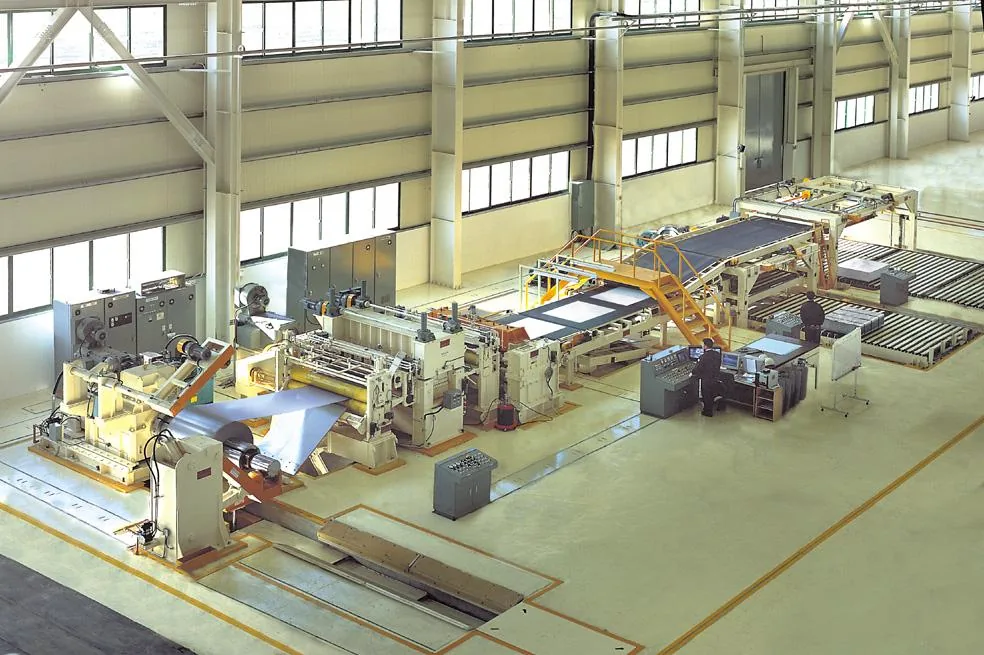
A CTL line converts steel coils into flat sheets with accurate length and good flatness. The line normally includes a coil car, decoiler, peeler, pinch roll, leveler, measuring system, shear, conveyor, stacker and electrical control system.
The main output is flat sheet or plate, not narrow strips. If your downstream process needs individual sheets for bending, laser cutting, stamping, welding, construction panels or shipbuilding plates, a CTL line is usually the right equipment.
How Does a Cut to Length Line Work?
The working process is continuous and sequential:
- Coil loading
The steel coil is loaded onto the coil car and transferred to the decoiler. The decoiler supports the coil and feeds the strip into the line.
- Uncoiling and feeding
The coil head is guided into the pinch roll and leveling section. Side guides help keep the strip aligned.
- Leveling or straightening
The strip passes through precision leveling rolls. This step removes coil memory, improves flatness and prepares the material for accurate cutting. For wide thickness ranges or demanding flatness requirements, one leveler may not be enough.
- Measuring
An encoder or servo measuring system controls the required cutting length.
- Cutting
The shear cuts the material to the programmed sheet length. Depending on line speed, thickness and accuracy requirements, the line may use a hydraulic shear, mechanical shear, flying shear or moving shear.
- Conveying and stacking
The finished sheets are conveyed to the stacker. The stacking system can be customized according to sheet length, plate weight, surface protection and packing method.
Common Cut to Length Line Specifications
Steel coil width standards vary by country and market. In China, common coil widths include 1500 mm, 1800 mm and 2200 mm. In overseas markets, width requirements may be different depending on local steel standards and customer applications. Therefore, coil width should be confirmed according to the customer’s actual coil data instead of being treated as a fixed specification.
In real steel coil processing projects, the following thickness ranges are commonly selected:
| CTL line type | Common thickness ranges | Typical downstream use |
|---|---|---|
| Light gauge and medium-gauge cut to length line | 1-6 mm, 1.5-6 mm, 1.5-8 mm | Steel service center sheets, laser/plasma cutting blanks, light structural parts, metal fabrication parts, vehicle and trailer components |
| Hot rolled coil cut to length line | 2-6 mm, 2-8 mm, 2-12 mm | Construction steel, transport parts, machinery parts, welded fabrication blanks, storage tank and container parts |
| Slitting and cut-to-length combined line | 3-12 mm, 4-12 mm, 6-16 mm, 6-20 mm | Multi-format hot rolled coil processing, edge-trimmed sheets, narrow strips and cut plates for fabrication, roll forming, structural and machinery parts |
| High-strength steel cut to length line | 6-16 mm, 6-23 mm, 6-28 mm, 6-30 mm, 8-16 mm, 8-25 mm | Truck and trailer chassis, crane and lifting equipment, bridge components, construction machinery, mining machinery and heavy-duty load-bearing structures |
| Heavy gauge cut-to-length line | 10-25 mm, 10-30 mm, 12-28 mm | Shipbuilding plates, bridge plates, heavy machinery frames, pressure vessel and tank parts, offshore structures and large welded steel structures |
These are not the only available configurations. The final design depends on material grade, yield strength, tensile strength, coil width, coil weight, required flatness, cutting length range and production capacity.
Light Gauge and Medium-Gauge Cut to Length Line
A light gauge cut to length line or medium-gauge CTL line is commonly used for 1-6 mm, 1.5-6 mm and 1.5-8 mm coils. These ranges are usually used for structural, fabrication and service-center blanks rather than very thin decorative surface panels. These lines focus on stable feeding, reliable leveling, accurate length control and efficient stacking.
Typical applications include:
- Steel service centers
- Laser cutting and plasma cutting blanks
- Light structural parts
- Commercial vehicle and trailer components
- Metal fabrication parts
- Building hardware and construction accessories
- Agricultural equipment and general machinery parts
Hot Rolled Coil Cut to Length Line
Hot rolled coil CTL lines are often selected for 2-6 mm, 2-8 mm and 2-12 mm coils. Hot rolled coil in this thickness range is widely used in transport, construction, shipbuilding, gas container, pressure vessel, pipeline, machinery and general fabrication sectors. Compared with thin coil lines, hot rolled coil lines require stronger leveling force, a more rigid frame and a shear system suitable for thicker material.
For a 2-12 mm normal hot rolled coil project, one common configuration is two levelers: one rough leveler and one finish leveler. The rough leveler handles the initial straightening load, while the finish leveler improves final flatness and sheet quality.
Typical applications include:
- Construction steel plates and structural blanks
- Truck, trailer and commercial vehicle parts
- Machinery covers, brackets, frames and welded parts
- Storage tank, container and pressure-vessel-related blanks
- Pipeline, energy and general industrial fabrication parts
- Steel service center stock sheets
Slitting and Cut-to-Length Combined Line
A slitting and cut to length line is a combined system that can handle both longitudinal cutting and cross cutting. For normal hot rolled coils, common thickness ranges include 3-12 mm, 4-12 mm, 6-16 mm and 6-20 mm.
This type of line is suitable when the customer needs more flexible output from one coil processing system. Depending on the project, the line may produce edge-trimmed sheets, narrow strips or cut-to-length plates for steel structure fabrication, roll forming, truck and trailer parts, construction machinery parts, welded components and steel service center distribution.
Important design note: for many standard edge trimming machine configurations, the practical upper limit is usually around 16 mm coil thickness. If the project requires thicker material or high-strength steel, the structure, blade system and cutting method must be evaluated separately.
High-Strength Steel Cut to Length Line
High-strength steel is more demanding than ordinary carbon steel. Even if the thickness looks similar, the equipment cost and structural design can be very different because the line needs higher rigidity, stronger leveling capacity and a more robust shear system.
Common high-strength steel CTL ranges include:
- 6-16 mm
- 6-23 mm
- 6-28 mm
- 6-30 mm
- 8-16 mm
- 8-25 mm
When processing high-strength steel, the most important design factors include:
- Yield strength and tensile strength
- Leveling roll diameter and spacing
- Frame rigidity
- Main motor power
- Shear capacity
- Cutting length and sheet weight
- Conveyor and stacking design
Typical applications include:
- Truck and trailer chassis parts
- Crane booms and lifting equipment parts
- Bridge and infrastructure components
- Engineering machinery frames
- Mining and off-highway vehicle parts
- Heavy-duty welded structures where strength-to-weight ratio matters
Heavy Gauge Cut to Length Line
Heavy gauge CTL lines are designed for thick coils such as 10-25 mm, 10-30 mm and 12-28 mm. These lines require a much heavier structure, stronger leveling equipment, powerful shear systems, longer conveyors and heavy-duty stacking solutions.
For heavy gauge projects, the design should not be based only on thickness. Coil width, material strength, sheet length and flatness requirement can greatly change the final configuration and cost.
For many standard moving shear configurations, the practical upper limit is usually around 23 mm coil thickness. For material above this range, the shear method and full line structure must be reviewed according to the specific project.
Typical applications include:
- Shipbuilding plates and marine structure parts
- Bridge plates and large structural steel components
- Heavy machinery frames, bases and welded assemblies
- Pressure vessel, boiler-related and storage tank parts
- Offshore structure and oil-and-gas-related components
- Industrial steel plate processing for large fabrication projects
One Leveler or Multiple Levelers: How to Choose?
Some CTL lines use one leveler, while others need two or three levelers. The correct choice depends on the material and the thickness range.
If the thickness range is narrow and the material is ordinary steel, one leveler may be enough. If the line must process a wide thickness range, such as from medium gauge to thick gauge, multiple levelers can produce better results. A rough leveler can remove the main coil memory, and a finish leveler can improve final flatness. For heavy or high-strength steel, three levelers may be required to achieve both stability and flatness.
Multiple levelers increase machine size, weight, motor power and manufacturing cost, but they are often necessary when the customer needs a wide processing range and reliable sheet quality.
Roller Leveling vs Stretch Leveling CTL Lines
Most steel coil cut to length equipment uses roller leveling. In some special applications, stretch leveling may be considered when the buyer needs very strict flatness control for thin or surface-sensitive material. The right choice depends on material thickness, yield strength, surface requirement and the final sheet application.
Cut-to-Length Line with Roller Leveling
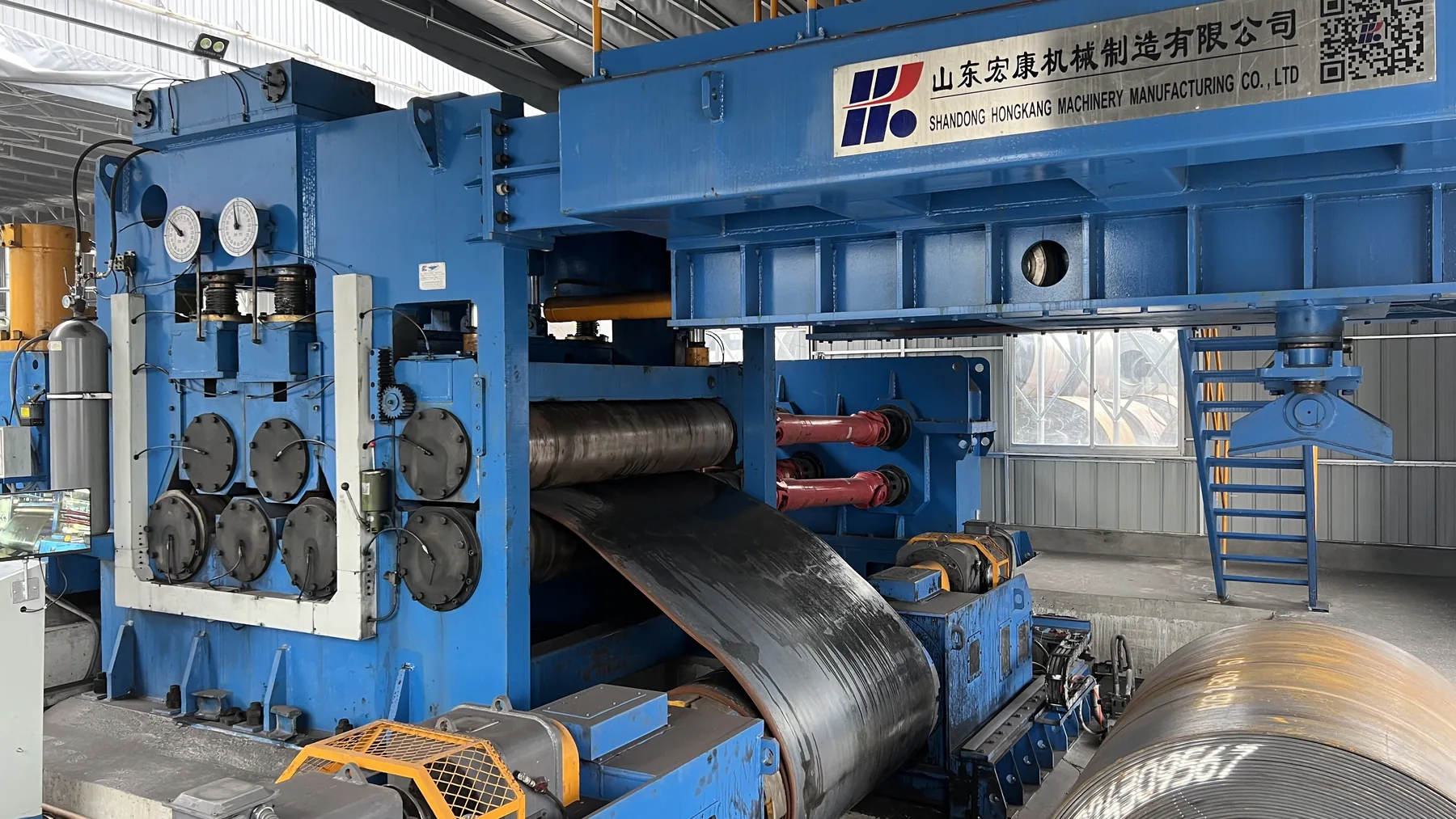
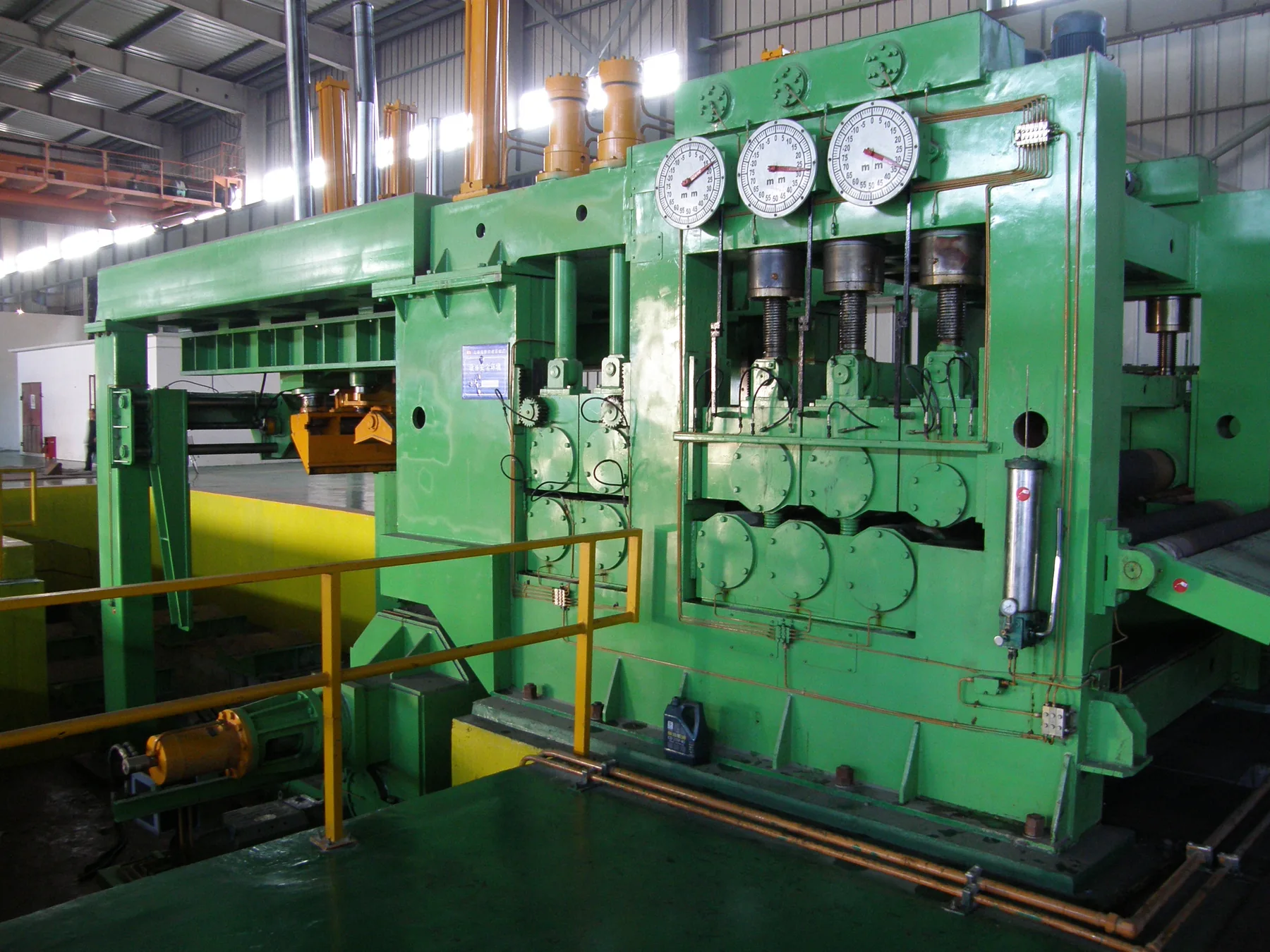
A cut-to-length line with roller leveling uses multiple leveling rolls to bend the strip repeatedly and remove coil memory. This is the most common structure for hot rolled coil, medium-gauge coil, high-strength steel and heavy gauge steel processing. Roller leveling is practical for wide thickness ranges and can be configured with one, two or three levelers according to the material and flatness requirement.
Cut-to-Length Line with Stretch Leveling
A cut-to-length line with stretch leveling applies controlled tension to improve flatness by stretching the strip. It is usually considered for projects where surface quality and flatness are more important than processing very thick material. For heavy gauge or high-strength coil, roller leveling is normally the more common and practical configuration.
Shear Options for Cut-to-Length Lines
The shear system affects line speed, cutting accuracy, equipment cost and maintenance requirements. When comparing cut to length machinery, buyers should evaluate the shear type together with material thickness, sheet length and production capacity.
Flying Shear Cut to Length Line
A flying shear CTL line cuts the strip while the material is moving. This design can improve production efficiency because the line does not need to stop for every cut. It is suitable for projects where line speed and continuous production are important, but the final selection still depends on thickness, width, cutting length and accuracy requirements.
Rotary Shear Cut to Length Line
A rotary shear CTL line uses rotating blades to cut the strip. It is often considered for high-speed or high-efficiency sheet production, especially where the material range and cutting length are suitable for rotary cutting. For thicker or high-strength materials, the shear structure must be carefully checked against cutting force and blade life.
High Precision Cut to Length Line
A high precision CTL line focuses on stable feeding, accurate measuring, reliable leveling and repeatable cutting length. Precision is not decided by the shear alone. It also depends on the servo feeding system, encoder accuracy, strip stability, leveler setup, side guiding, electrical control and the stiffness of the complete line.
Cut to Length Line vs Slitting Line
Many buyers compare CTL equipment with a slitting line. They are both coil processing machines, but the output is different.
| Item | Cut to length line | Slitting line |
|---|---|---|
| Main function | Cuts coils into flat sheets | Cuts wide coils into narrow strips |
| Output | Sheets or plates | Narrow coils or strips |
| Main process | Uncoil, level, measure, cross cut, stack | Uncoil, slit, recoil |
| Best for | Sheet metal processing, construction, shipbuilding, fabrication | Roll forming, tube mill, stamping strip feeding |
| Final material form | Individual sheets | Recoiled strips |
Choose CTL equipment if you need flat sheets or plates. Choose a slitting line if you need narrow coils or strips for downstream continuous production.
Main Components of a Cut to Length Line
Complete cut to length equipment is not a single machine. It is a connected production line made of coil handling, leveling, measuring, cutting, conveying, stacking, hydraulic and electrical control systems. A complete CTL line can be configured with the following equipment:
- Coil car
- Decoiler or uncoiler
- Peeler and coil head guide
- Pinch roll
- Side guide system
- Rough leveler
- Finish leveler
- Loop pit or buffer system
- Measuring system
- Hydraulic shear, mechanical shear, flying shear or moving shear
- Conveyor system
- Stacking system
- Hydraulic system
- Electrical control cabinet
- PLC and HMI operation panel
Optional systems may include edge trimming, oil coating, surface protection device, automatic palletizing, automatic waste collection, quick-change tooling and remote diagnostic support.
What Affects the Price of a Cut to Length Line?
There is no single standard price for CTL equipment because every project is designed according to the customer’s material and production requirements. When comparing cut to length machinery from different suppliers, the biggest price factors include:
- Coil thickness range
- Coil width
- Material type and steel strength
- Required flatness
- Cutting length range
- Sheet length and sheet weight
- Line speed
- Number of levelers
- Shear type
- Conveyor length
- Stacking method
- Automation level
- PLC and electrical component brand
- Foundation and installation requirements
- Packing and shipping volume
If the material is high-strength steel, the equipment needs higher rigidity and stronger mechanical design. This increases steel structure weight, machining requirements, motor power and total cost.
Sheet length also affects price. If the customer only needs shorter sheets, the conveyor and stacking system can be shorter, which may reduce the total cost. If the project needs long sheets, long conveyor devices and larger stacking systems are required.
Cut to Length Line Price Examples
The following examples are based on previous customer projects and are provided only for reference. Final pricing must be calculated according to the exact coil data and configuration.
Example 1: 2-12 mm normal hot rolled coil CTL line
- Material: ordinary hot rolled coil
- Thickness range: 2-12 mm
- Complete line configuration: coil car, decoiler, coil head guiding and feeding device, centering or side guide system, edge trimming unit when required, rough leveler, finish leveler, measuring system, shear, conveyor roller table, stacking system, hydraulic system, electrical cabinet, PLC and HMI control system, safety protection and auxiliary devices
- Key configuration feature: two levelers, including one rough leveler and one finish leveler, to handle the 2-12 mm thickness range with better flatness
- Typical price reference: around USD 600,000
Example 2: 10-25 mm heavy gauge CTL line for an Eastern Europe customer
- Material: heavy steel coil
- Thickness range: 10-25 mm
- Complete line configuration: heavy-duty coil car, heavy-duty decoiler, coil head guiding and feeding device, centering or side guide system, rough leveling section, intermediate or secondary leveling section, finish leveling section, measuring system, heavy-duty shear, long conveyor roller table, heavy-duty stacking system, hydraulic system, electrical cabinet, PLC and HMI control system, lubrication, safety protection and auxiliary devices
- Key configuration feature: three levelers, long conveyor device and heavy-duty stacking system for thick plate processing and long sheet handling
- Design focus: very high rigidity, heavy structure and stable processing of thick steel
- Shipping volume: 28 containers for the complete line
- Typical price reference: around USD 2,000,000
These two examples show why CTL line prices can vary greatly. A thicker material range, stronger material grade, wider coil, longer sheet length and more complex stacking system can significantly increase the final investment.
How to Choose the Right Cut to Length Line
To choose the right CTL line, start with the coil and sheet requirements, not only the machine name.
Before selecting a configuration, prepare the following information:
- Material type, such as hot rolled steel, cold rolled steel, galvanized steel, stainless steel or high-strength steel
- Material grade, yield strength and tensile strength
- Thickness range
- Coil width
- Coil weight
- Coil inner diameter and outer diameter
- Required sheet length range
- Required cutting accuracy
- Required flatness
- Daily or monthly production capacity
- Need for edge trimming, slitting or oil coating
- Available factory space
- Stacking and packing method
With this information, an engineering team can recommend the correct leveler quantity, shear type, line speed, conveyor length, stacking system and total layout.
Why Choose HONGKANG?
HONGKANG is a cut to length line manufacturer in China focused on steel coil leveling, cutting, stacking and complete-line integration. For buyers comparing CTL equipment suppliers, the main difference is not only the quoted price, but also design experience, manufacturing scale, technical standards and the ability to build heavy-duty complete lines.
Nearly 30 Years in Cut to Length Line Manufacturing
HONGKANG has nearly 30 years of design and production history in steel coil leveling and cut-to-length equipment. Our experience is based on long-term engineering practice, real customer projects and continuous improvement of heavy coil processing equipment.
1000+ Customer Projects Worldwide
Our experience is based on 1000+ real steel coil processing projects, not only standard catalog models. We understand that different countries use different coil width standards and different customers have different material requirements.
40+ National Patents and 17 Standards
HONGKANG has more than 40 national patents and has participated in the formulation of 17 national and industry standards. This reflects our technical accumulation in leveling, cutting, feeding, stacking and complete-line integration.
Large-Scale Manufacturing Base
Our factory covers more than 100,000 square meters, with more than 60,000 square meters of workshop area. Compared with ordinary small factories, HONGKANG has stronger manufacturing capacity for heavy-duty frames, large leveling machines, long conveyor systems, heavy stackers and complete CTL line assembly.
Customized Engineering
We design the CTL line according to the customer’s coil thickness, width, strength, sheet length, flatness requirement and factory layout.
Cross-Industry Cooperation Experience
HONGKANG has cooperated with large enterprises across multiple industries, including construction machinery, automotive and aerospace-related manufacturing. These projects require higher standards for equipment rigidity, reliability, processing accuracy and long-term service stability.
Practical Configuration Advice
We help customers decide whether one leveler, two levelers or three levelers are required. We also evaluate whether the project needs edge trimming, moving shear, long conveyors or special stacking systems.
Heavy-Duty Manufacturing Capability
For high-strength steel and heavy gauge coils, equipment rigidity is critical. We design frames, levelers, shears and conveyors to match the material load.
Global Installation and Support
We provide equipment layout, manufacturing, shipment, installation support, operator training, spare parts supply and long-term technical service.
Frequently Asked Questions
What coil width can your cut to length line process?
Coil width is customized according to customer requirements. In China, common widths include 1500 mm, 1800 mm and 2200 mm, but overseas markets may use different standards. Please send your actual coil width and material specifications for engineering evaluation.
What is the maximum thickness of your cut to length line?
Our common project ranges include thin coil lines from 1-6 mm, hot rolled coil lines from 2-12 mm, high-strength steel CTL lines up to 30 mm in selected configurations and heavy gauge CTL lines such as 10-25 mm, 10-30 mm and 12-28 mm. The final limit depends on material strength, width and shear type.
Do I need one leveler or multiple levelers?
If your thickness range is narrow and the material is ordinary steel, one leveler may be enough. If your line must process a wide thickness range, high-strength steel or heavy gauge coils, two or three levelers may be required to achieve better flatness and stable production.
Why does high-strength steel increase the equipment price?
High-strength steel requires greater leveling force and stronger cutting capacity. The machine frame, leveler, shear and transmission system must be more rigid, which increases material cost, machining cost and total machine weight.
Can the line include edge trimming?
Yes. Edge trimming can be added depending on the project. For our standard edge trimming machine configurations, the upper limit is usually 16 mm coil thickness. Thicker or high-strength materials need a separate engineering review.
What is the maximum thickness for a moving shear?
For our standard moving shear configurations, the upper limit is usually around 23 mm coil thickness. The actual capacity depends on material strength, width and cutting length requirements.
What information do you need for a quotation?
Please send material type, material grade, thickness range, coil width, coil weight, coil ID and OD, required sheet length, required cutting accuracy, flatness requirement, production capacity and factory layout. With this information, we can recommend a suitable configuration and provide a more accurate quotation.
Can you customize the line for our country standard?
Yes. Coil width and production requirements differ from country to country. We customize the CTL line according to your local steel coil standard, material supply and final product requirements.