
HONGKANG COIL PROCESSING ENGINEERING
Hot Rolled Coil Slitting Line
A hot-rolled coil slitting line must control scale, variable incoming shape and robust strip tension while maintaining width, burr and winding quality. The slit pattern and material strength are as important as the headline coil thickness.
Send Slitting ProgramDECISION FRAME
What this page is designed to resolve
This page supports Equipment purchase and technical comparison. It translates a broad equipment term into the inputs, limits and evidence that an engineering and purchasing team can compare. The primary evidence expected for this topic is relevant Hongkang equipment media, the stated operating matrix and measurable acceptance records.
In international specifications, related search and purchasing language includes HR coil slitting line, HR coil slitting, carbon steel slitter. These labels can overlap, so Hongkang confirms the material duty, process route and acceptance boundary behind the name.
Information architecture
- Hot-rolled entry condition
- Scale management through the line
- Knife setup for HR grades
- Loop and tension stability
- Recoiling heavy HR strips
ENGINEERING DETAIL
Hot Rolled Coil Slitting Line: decisions that change performance
The following sections focus on the mechanisms, interfaces and acceptance evidence that distinguish a project-ready specification from a catalogue description.
Hot-rolled entry condition
Document telescoping, damaged edges, welds, crown, scale and head shape. The coil car, hold-down, peeler, pinch rolls and guides must thread imperfect material without encouraging unsafe manual intervention.
Scale management through the line
Collection trays, covers, cleaning access and protected sensors reduce buildup around guides, slitter heads, loop pits and tension units. Lubrication and inspection intervals should reflect the actual black or pickled surface.
Knife setup for HR grades
Clearance and overlap depend on grade, gauge, tooling condition and edge target. Tooling records should connect each setup to measured burr and strip behavior instead of relying on a single rule of thumb.
Loop and tension stability
Hot-rolled strip can vary in shape and thickness. Loop control, guides and the tension device must keep multiple strips stable without creating scratches, strip crossover or uncontrolled energy.
Recoiling heavy HR strips
Separator design, overarm support, mandrel expansion and torque control determine coil density and alignment. Acceptance includes telescoping, dishing, edge damage and safe discharge.
ENGINEERING INPUTS
Data required for a defensible hot rolled coil slitting line
Use this checklist to keep technical offers comparable. Each item should be linked to a normal production condition, a maximum-duty condition or an explicit acceptance test.
| Input | Why it changes the design | How to document it |
|---|---|---|
| HR grade and strength range | It defines the force, torque, geometry or handling boundary used to size the equipment. | Provide a material certificate, product matrix or marked drawing. |
| Black or pickled surface | It separates the normal production range from an occasional maximum-duty point. | List representative products and annual or shift volume. |
| Complete slit patterns | It turns a general quality statement into a repeatable factory and site test. | State the sample, instrument, support condition and permissible result. |
| Width, burr and camber limits | It affects interfaces, changeover, operator workload and safe access. | Add it to the layout, responsibility matrix or FAT protocol. |
| Scale collection and cleaning | It defines the force, torque, geometry or handling boundary used to size the equipment. | Provide a material certificate, product matrix or marked drawing. |
| Tension and separator method | It separates the normal production range from an occasional maximum-duty point. | List representative products and annual or shift volume. |
| Finished-coil weight and packing | It turns a general quality statement into a repeatable factory and site test. | State the sample, instrument, support condition and permissible result. |
FROM OFFER TO ACCEPTANCE
How Hongkang converts the requirement into accountable scope
Confirm the duty matrix
Engineering checks the normal and limiting combinations of material, size, coil condition and finished product. Conflicts are clarified before capacity is promised.
Freeze process and interfaces
The technical agreement names equipment boundaries, utilities, controls, plant responsibilities, applicable standards and documentation.
Manufacture with records
Relevant material, fabrication, machining, assembly and purchased-component records follow the project inspection plan.
Test representative performance
FAT uses agreed material and measurements. Open items are recorded, corrected and verified before shipment release.
Install and transfer knowledge
Site alignment, utilities, safety functions, material trials, operator training and spare-parts handover support the path to production.
PROJECT-SOURCED VISUAL EVIDENCE
Manufacturing and equipment views selected for this topic
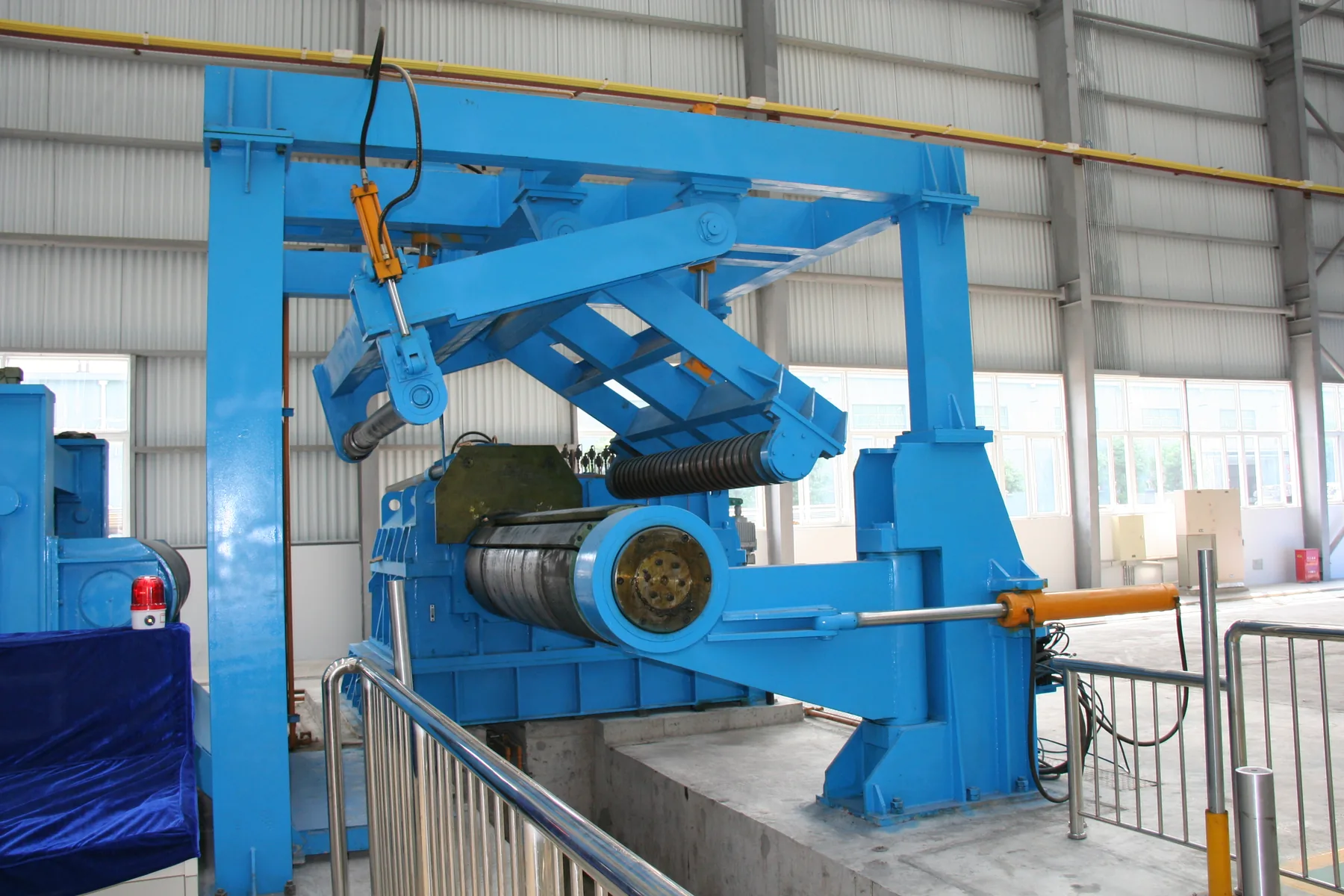
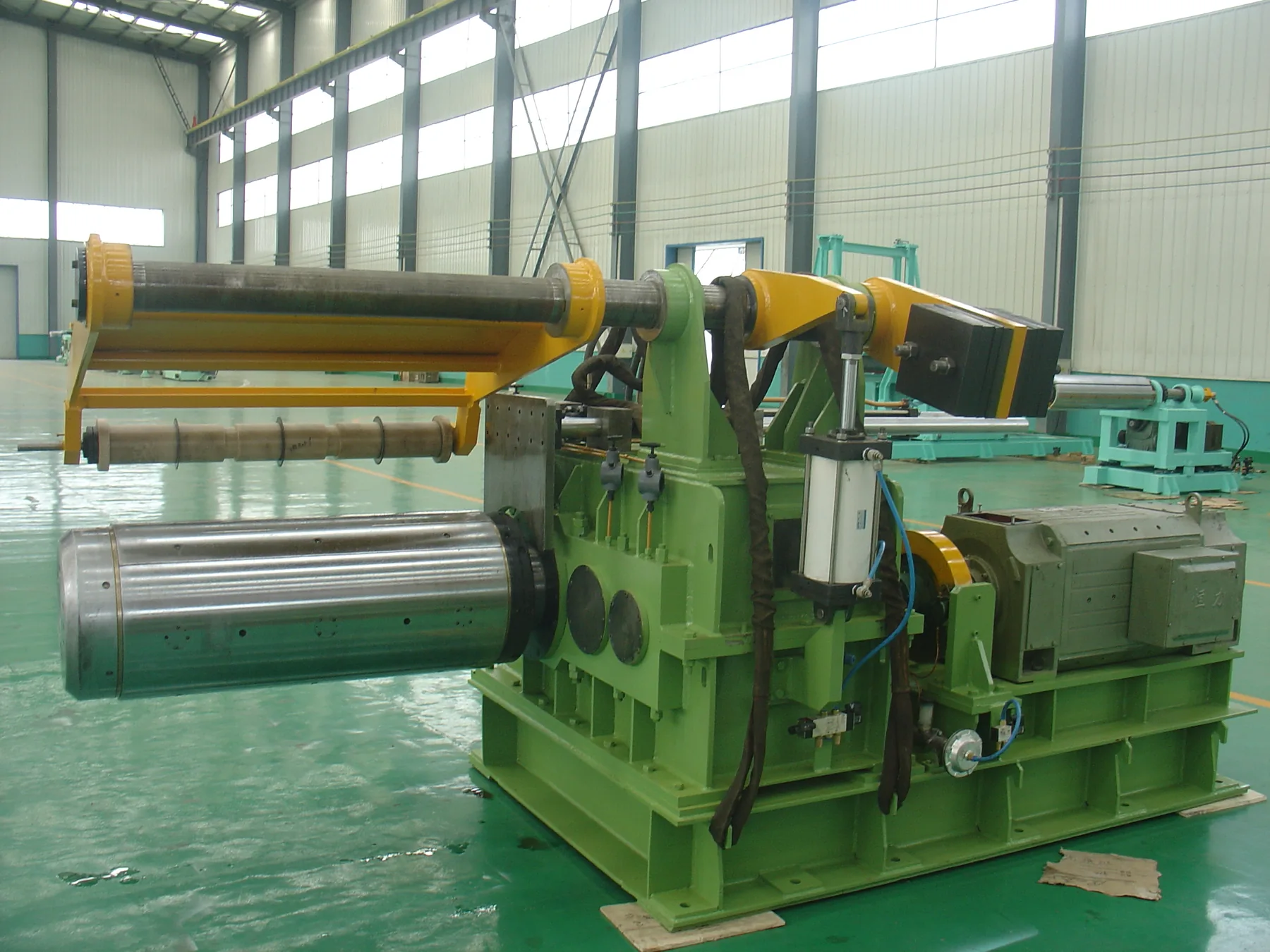
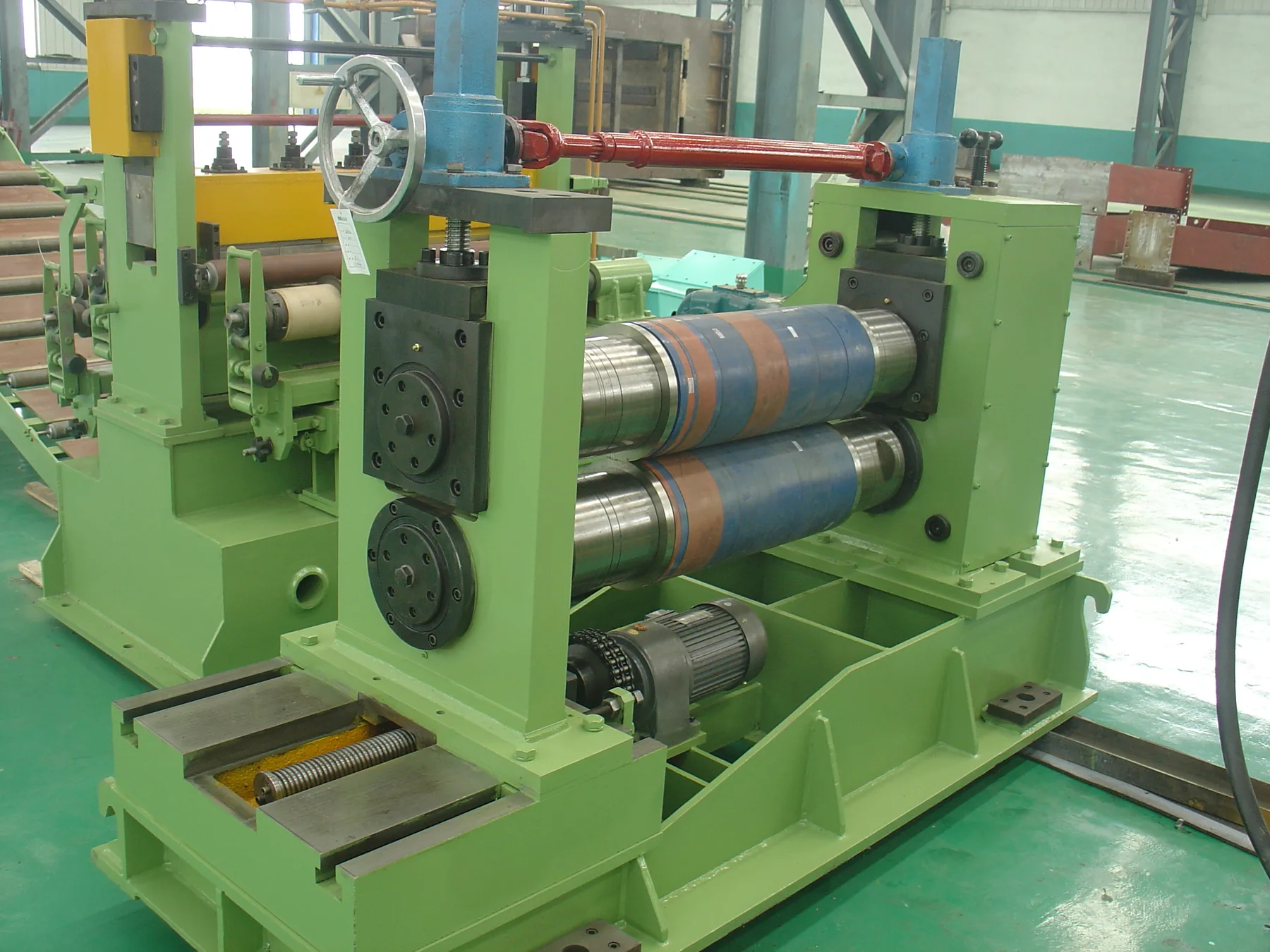
Every photograph assigned to this page is drawn from the supplied Hongkang product and project library. The rebuild uses a unique source image once across the website, matches it to the process described and removes embedded metadata before upload.
TECHNICAL FAQ
Questions buyers ask about hot rolled coil slitting line
Can one slitter run black and pickled coil?
Yes within an engineered range, with suitable cleaning and surface-protection procedures.
Why does strip crossover occur?
Poor guiding, unstable loop control, unequal tension or problematic incoming shape can contribute.
How is slitter tooling selected?
Knife diameter, material, hardness, spacers and clearance are matched to the arbor and product program.
Should scale be removed before slitting?
That depends on the finished product and downstream process; the required cleaning boundary should be stated.
ENGINEERING RESPONSE
Send Slitting Program
Share the material grade and strength, thickness-by-width matrix, coil dimensions, finished product, output and destination. Hongkang will identify missing data before preparing a technical route.